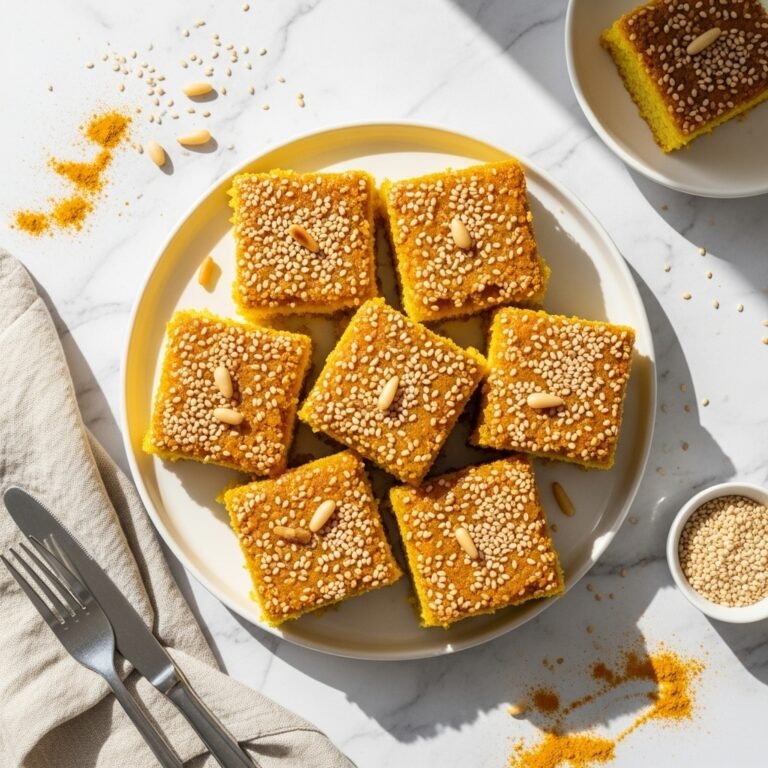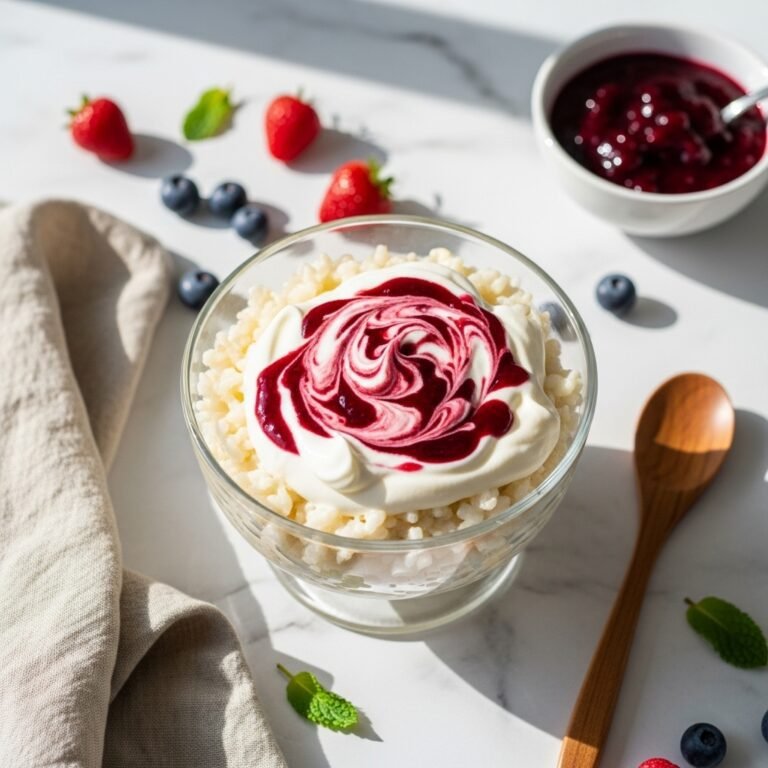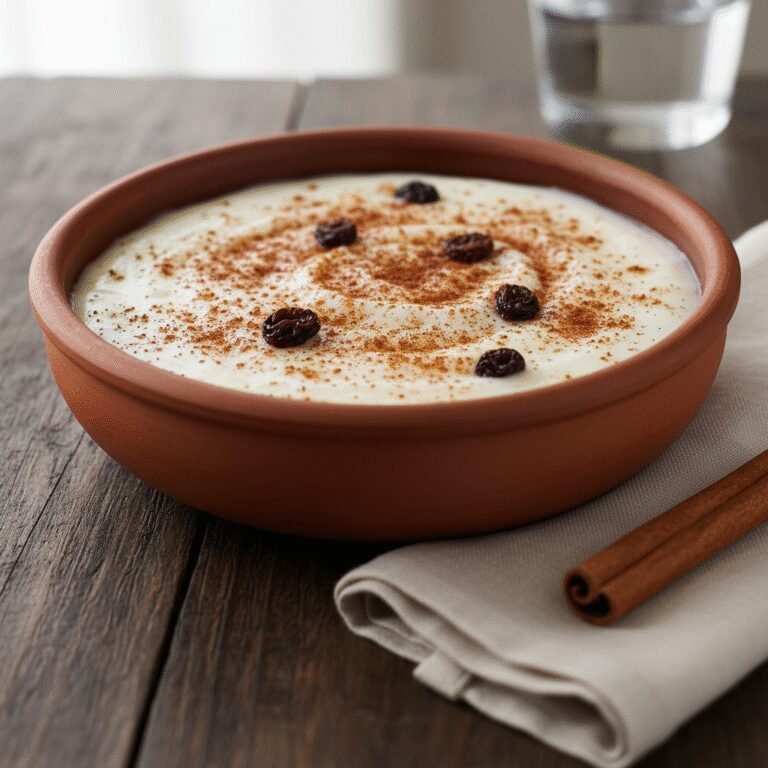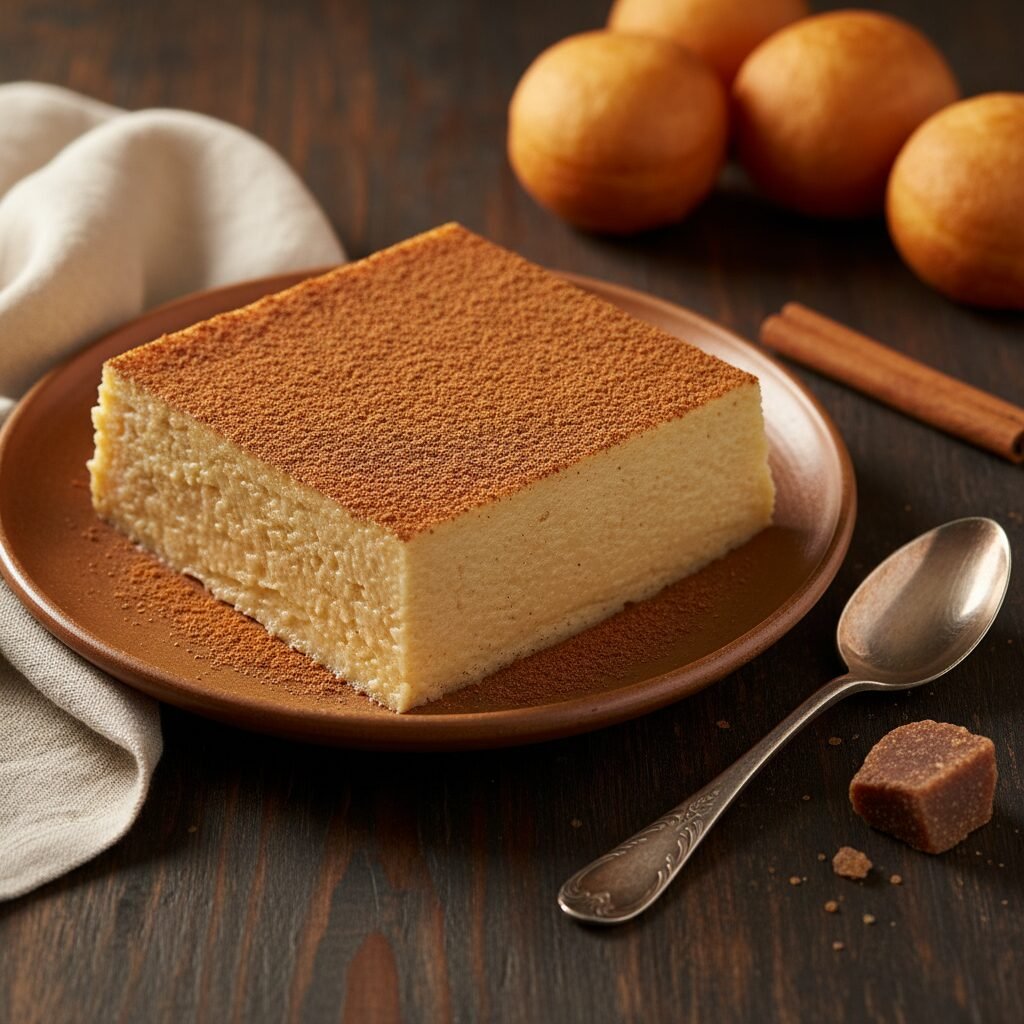
Dreamy Creamy Colombian Natilla (Your New Holiday Obsession)
Natilla Recipe
Get ready to fall in love with the silkiest, most comforting dessert you’ll ever make. This Colombian Natilla is a traditional Christmas custard that’s unbelievably creamy, infused with warm cinnamon and rich panela, and surprisingly simple to whip up. It’s the perfect sweet slice of holiday magic to share with your favorite people.
10 minutes
20 minutes
30 minutes (plus 2 hours chilling)
8-10 servings
Dessert
Stovetop
Colombian
Gluten-Free
Why You’ll Love This Recipe
- Velvety smooth, melt-in-your-mouth texture
- Infused with warm cinnamon and sweet panela
- A cherished Colombian Christmas tradition
- Surprisingly simple with pantry staples
Equipment You’ll Need
- Large heavy-bottomed saucepan or pot
- Whisk
- Silicone spatula or wooden spoon
- 8×8 inch square baking dish or similar mold
- Measuring cups and spoons
- Small bowl
Ingredients
- 4 cups whole milk, divided
- 8 oz panela, grated or finely chopped (or 1 cup packed dark brown sugar)
- 1 cup cornstarch
- 4 tablespoons unsalted butter, cubed
- 2 large cinnamon sticks
- 1/4 teaspoon salt
- Ground cinnamon, for dusting
- Optional: 1/2 cup shredded unsweetened coconut
Instructions
- Lightly grease an 8×8 inch baking dish or your desired mold and set it aside.
- In a small bowl, combine the cornstarch with 1 cup of the cold milk. Whisk vigorously until the cornstarch is completely dissolved and there are absolutely no lumps. Set this slurry aside.
- In a large, heavy-bottomed saucepan, combine the remaining 3 cups of milk, the grated panela, cinnamon sticks, and salt. Place over medium heat.
- Heat the milk mixture, stirring occasionally, until the panela has completely dissolved and the milk is hot and steaming, but not boiling. This step infuses the milk with incredible flavor.
- Remove the cinnamon sticks from the pot using a slotted spoon.
- Give your cornstarch slurry a quick re-whisk to ensure it hasn’t settled. While constantly whisking the hot milk mixture, slowly pour the cornstarch slurry into the saucepan.
- Continue to whisk constantly and cook over medium-low heat. The mixture will begin to thicken. Switch from a whisk to a silicone spatula or wooden spoon and continue stirring, making sure to scrape the bottom and corners of the pot to prevent scorching.
- Cook for about 8-10 minutes, stirring constantly, until the mixture is very thick. You’ll know it’s ready when you can drag the spatula across the bottom of the pot and it leaves a clear trail that doesn’t immediately fill back in.
- Remove the pot from the heat. Add the cubed butter and the optional shredded coconut, if using. Stir until the butter is completely melted and incorporated into the mixture.
- Immediately pour the thick Natilla mixture into your prepared dish. Use your spatula to smooth the top.
- Let the Natilla cool on the counter for about 30 minutes, then transfer it to the refrigerator to chill and set completely, for at least 2 hours.
- Once fully set, dust the top generously with ground cinnamon. You can cut it into squares or diamonds directly in the dish or carefully invert it onto a serving platter before cutting. Serve chilled or at room temperature.
Expert Cooking Tips
- Whisk, Whisk, Whisk! The key to a silky smooth Natilla is constant stirring. Once you add the cornstarch mixture, don’t walk away! This prevents lumps and keeps it from scorching on the bottom of the pan.
- Grate Your Panela: If using a block of panela, grating it or chopping it finely is essential. This helps it dissolve evenly and quickly into the milk without having to overheat it.
- Low and Slow is the Way to Go: Keep the heat on medium-low. Rushing the process with high heat can cause the milk to scald and the cornstarch to clump, resulting in a grainy texture.
- The ‘Trail’ Test: The most reliable way to know your Natilla is ready is the trail test. When you can drag a spoon across the bottom of the pot and it leaves a clear path that stays for a second or two, it’s thick enough to set properly.
Substitutions and Variations
Don’t have panela? Dark brown sugar is the best substitute for that rich, molasses-like flavor. For a richer, creamier dessert, you can replace one cup of the whole milk with heavy cream or full-fat canned coconut milk. To make this recipe dairy-free and vegan, use a creamy plant-based milk like full-fat oat milk or coconut milk and substitute the butter with a high-quality vegan butter stick or refined coconut oil.
Common Mistakes to Avoid
The most common mistake is getting a lumpy custard, which happens if the cornstarch isn’t fully dissolved in cold milk before adding it to the hot liquid, or from a lack of constant stirring. Another issue is Natilla that doesn’t set; this means it wasn’t cooked long enough on the stove. Be patient and wait until it’s extremely thick before pouring it into the mold. Finally, avoid a scorched bottom by using medium-low heat and scraping the bottom of the pan continuously as it thickens.
Serving Suggestions
Natilla is a holiday superstar in Colombia, traditionally served in squares alongside golden, puffy buñuelos (cheese fritters). For a beautiful presentation, dust with cinnamon and serve on its own, or add a drizzle of arequipe (dulce de leche) or a sprinkle of toasted coconut. It’s the perfect sweet treat to accompany a strong cup of coffee or a festive holiday drink.
Storage and Reheating Tips
Store any leftover Natilla tightly covered with plastic wrap or in an airtight container in the refrigerator. It will keep well for up to 5 days. The firm texture holds up beautifully. It’s best served chilled or at room temperature; we don’t recommend reheating it, as this can ruin the delicate set custard.
Nutrition Facts (Estimated)
| Serving Size | 1 slice |
| Calories | 285 kcal |
| Fat | 12 g |
| Saturated Fat | 7.5 g |
| Unsaturated Fat | 4.5 g |
| Trans Fat | 0 g |
| Cholesterol | 40 mg |
| Sodium | 155 mg |
| Carbohydrates | 41 g |
| Fiber | 0.8 g |
| Sugar | 26 g |
| Protein | 5 g |
Frequently Asked Questions
What is panela and where can I find it?
Panela is unrefined whole cane sugar, common in Latin America. It has a gorgeous, deep caramel and molasses flavor that’s less sweet than brown sugar. You can typically find it in solid blocks or granulated form at Latin American grocery stores or online.
My Natilla didn’t set properly. What went wrong?
This almost always means it wasn’t cooked long enough on the stovetop to sufficiently thicken. The cornstarch needs ample time over heat to activate its setting power. Next time, be sure to cook it until it’s very thick and passes the ‘trail test’—where a spatula dragged across the bottom leaves a clear path.
Can I make this recipe dairy-free?
Absolutely! For a delicious dairy-free version, substitute the whole milk with a creamy, full-fat plant-based milk like canned coconut milk or oat milk. Use a good quality vegan butter or refined coconut oil in place of the dairy butter for equally wonderful results.
Can I add different flavorings to my Natilla?
Yes, you can get creative! While cinnamon is traditional, feel free to infuse the milk with other warm spices like a few whole cloves, a star anise, or a strip of orange peel. Just be sure to remove them before you add the cornstarch slurry.
Conclusion
There’s something truly special about recreating a beloved tradition in your own kitchen. This Creamy Colombian Natilla is more than a dessert; it’s a taste of celebration, a slice of comfort, and a perfect way to create sweet memories. I hope you adore its silky texture and warm, spiced flavor as much as we do. If you make this recipe, please share your creation! Tag me on Pinterest and Instagram—I would be overjoyed to see it in your home.