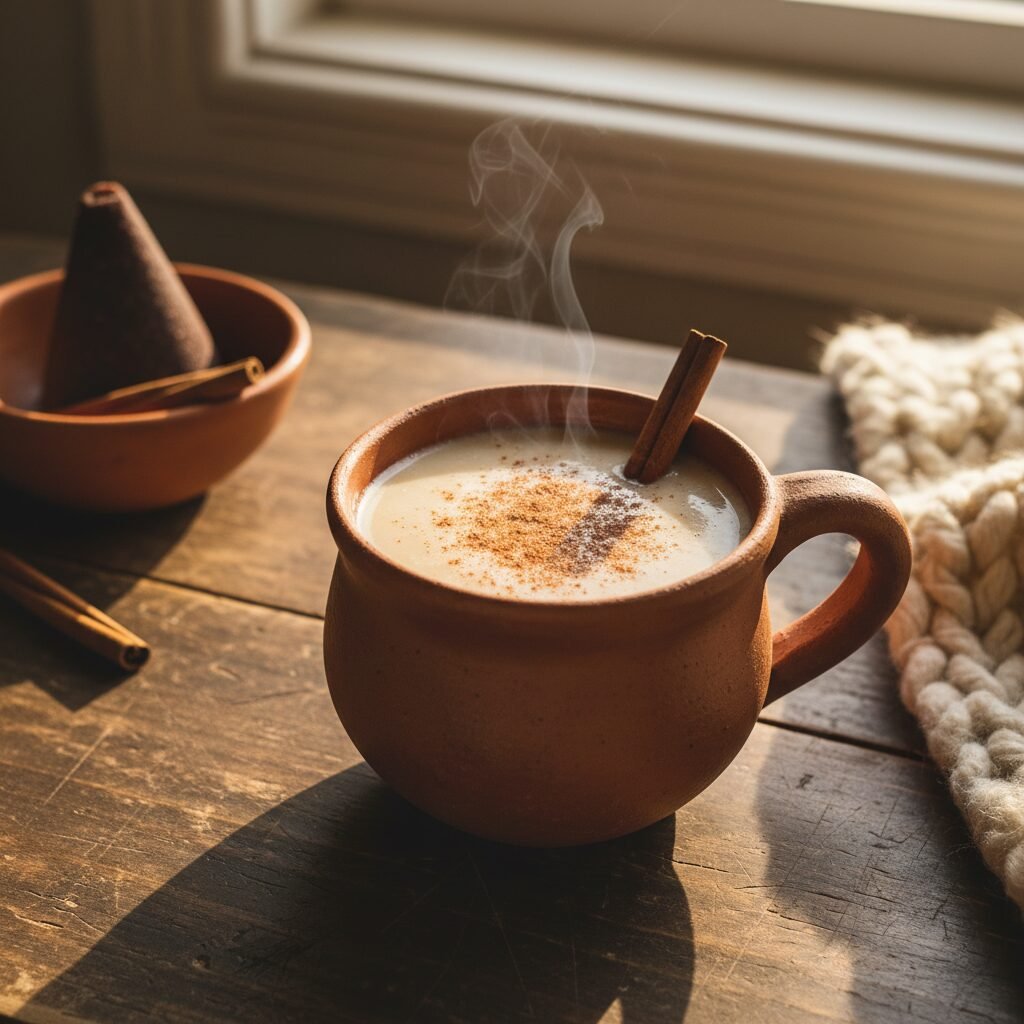
Creamy Cinnamon-Vanilla Atole (A Warm Hug in a Mug)
Atole Recipe
Wrap your hands around a warm mug of this incredibly cozy and comforting Atole! This traditional Mexican hot beverage is velvety smooth, lusciously creamy, and delicately spiced with cinnamon and vanilla. It’s like a warm hug from the inside out, perfect for chilly mornings, festive holidays, or any time you need a little comfort.
5 minutes
10 minutes
15 minutes
4 servings (about 4 cups)
Beverage
Stovetop
Mexican
Gluten-Free
Why You’ll Love This Recipe
- Velvety smooth and warmly spiced with cinnamon
- Ready in just 15 minutes from start to finish
- Made with simple, authentic pantry staples
- The ultimate cozy drink for a relaxing moment
Equipment You’ll Need
- Medium saucepan
- Whisk
- Measuring cups and spoons
- Small bowl for making the slurry
- Fine-mesh sieve (optional, for extra smoothness)
Ingredients
- 2 cups water
- 1 cinnamon stick
- 1/4 cup piloncillo (crushed or grated), or substitute with 1/4 cup packed dark brown sugar
- 1/3 cup masa harina (corn flour for tortillas, not cornmeal)
- 2 cups whole milk (or milk of choice)
- 1 teaspoon pure vanilla extract
- A tiny pinch of salt
Instructions
- In a medium saucepan, combine the 2 cups of water, cinnamon stick, and crushed piloncillo (or brown sugar). Bring to a simmer over medium heat, stirring occasionally until the piloncillo is completely dissolved. This creates a fragrant, sweet cinnamon tea base.
- While the water is heating, prepare the masa slurry. In a small bowl, whisk together the masa harina and 1/2 cup of the milk until no lumps remain. The mixture should be smooth and pourable.
- Once the piloncillo has dissolved, remove the cinnamon stick from the saucepan. Slowly pour the masa slurry into the hot cinnamon water while whisking constantly. This is the key to a lump-free atole!
- Continue to whisk as you pour in the remaining 1 1/2 cups of milk. Bring the mixture to a gentle simmer over medium-low heat.
- Cook for 5-7 minutes, whisking frequently, until the atole has thickened to your desired consistency. It should be thick enough to coat the back of a spoon, similar to a thin gravy or warm drinking chocolate.
- Remove the saucepan from the heat. Stir in the vanilla extract and the pinch of salt. The salt enhances all the other flavors beautifully.
- For an ultra-silky texture, you can pour the atole through a fine-mesh sieve before serving.
- Ladle the hot atole into mugs. Garnish with a sprinkle of ground cinnamon if desired and serve immediately.
Expert Cooking Tips
- Whisk, Whisk, Whisk!: The secret to a perfectly smooth atole is constant whisking, especially when you add the masa slurry. This prevents lumps from forming and keeps the bottom from scorching.
- The Slurry is Key: Never add dry masa harina directly to hot liquid; it will clump instantly. Creating a smooth slurry with a small amount of cool liquid first ensures it incorporates seamlessly.
- Control the Heat: Keep the heat at a medium-low simmer once you’ve added the milk. Boiling it too vigorously can cause the milk to curdle or scorch on the bottom of the pan.
- Taste and Adjust: Sweetness is personal! Taste the atole before serving and add a little more sugar or a splash of maple syrup if you prefer it sweeter. You can also add more cinnamon for a spicier kick.
Substitutions and Variations
This recipe is wonderfully adaptable! For a dairy-free version, substitute the whole milk with oat milk (for creaminess) or almond milk. Instead of piloncillo, you can use dark brown sugar, coconut sugar, or even maple syrup, adjusting the amount to your taste. For extra flavor, try infusing the water with a star anise or a strip of orange peel along with the cinnamon stick.
Common Mistakes to Avoid
The most common mistake is getting lumpy atole. This happens when the masa harina is added directly to hot liquid without first making a slurry. Always dissolve the masa in a cool liquid first! Another pitfall is not stirring enough, which can cause the atole to scorch on the bottom of the pan. Keep the heat gentle and your whisk moving. If your atole is too thick, simply whisk in a splash more milk until it reaches the right consistency. If it’s too thin, simmer it for a few more minutes to thicken up.
Serving Suggestions
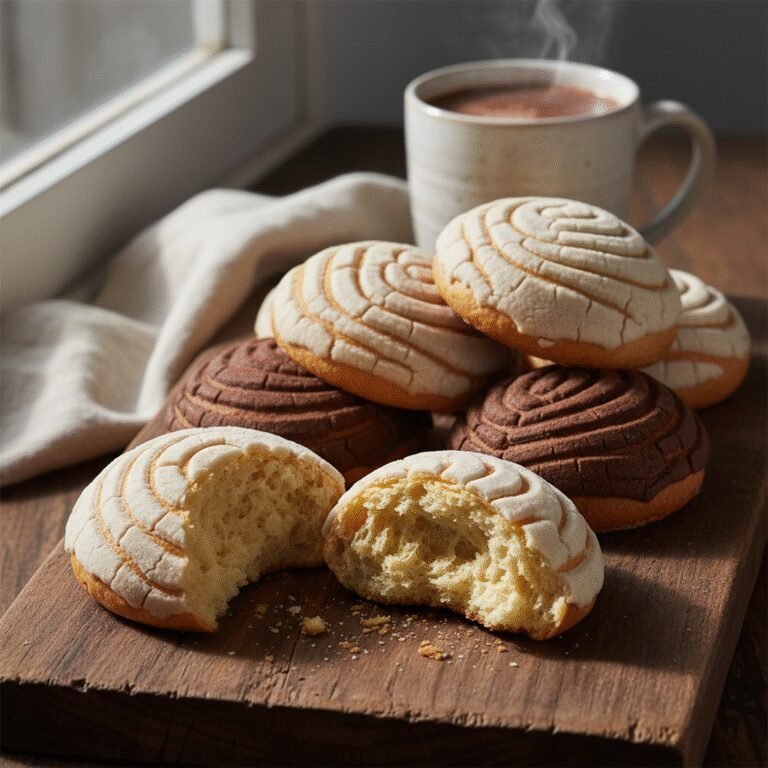
Serve atole steaming hot in your favorite cozy mugs. A sprinkle of ground cinnamon or a light grating of Mexican chocolate on top is a classic finish. Atole is traditionally served for breakfast or as an evening treat, pairing beautifully with tamales, conchas (Mexican sweet bread), or churros for dipping.
Storage and Reheating Tips
Store any leftover atole in an airtight container, like a mason jar, in the refrigerator for up to 3 days. It will thicken significantly as it cools. To reheat, gently warm it in a saucepan over low heat, adding a splash of milk or water and whisking continuously until it’s smooth and heated through. You can also reheat it in the microwave in short intervals, stirring in between.
Nutrition Facts (Estimated)
| Serving Size | 1 cup |
| Calories | 225 kcal |
| Fat | 8 g |
| Saturated Fat | 5 g |
| Unsaturated Fat | 3 g |
| Trans Fat | 0 g |
| Cholesterol | 25 mg |
| Sodium | 90 mg |
| Carbohydrates | 31 g |
| Fiber | 2 g |
| Sugar | 18 g |
| Protein | 8 g |
Frequently Asked Questions
What is masa harina and can I use cornmeal instead?
Masa harina is a special type of corn flour made from corn that has been soaked in an alkaline solution (nixtamalized). This gives it a distinct, authentic flavor. It’s not the same as cornmeal or cornstarch. You can find it in the international aisle of most large grocery stores or at any Latin market. Using cornmeal will result in a gritty texture and different flavor.
How can I make this a chocolate atole (Champurrado)?
It’s easy! To make champurrado, simply add about 2 ounces of chopped Mexican chocolate (like the Ibarra or Abuelita brands) to the saucepan along with the milk. Whisk until the chocolate is completely melted and integrated into the atole.
My atole turned out lumpy. How can I fix it?
Don’t worry, it’s salvageable! For a quick fix, you can pour the lumpy atole through a fine-mesh sieve to strain out the clumps. Alternatively, you can carefully use an immersion blender directly in the pot (off the heat) to smooth it out.
Conclusion
There’s nothing quite like the simple, heartwarming pleasure of a freshly made atole. It’s a taste of tradition, comfort, and warmth all in one mug. I hope you love this recipe as much as I do! If you make it, I’d be thrilled to see it. Please snap a photo and share it on Pinterest or Instagram, and don’t forget to tag me!