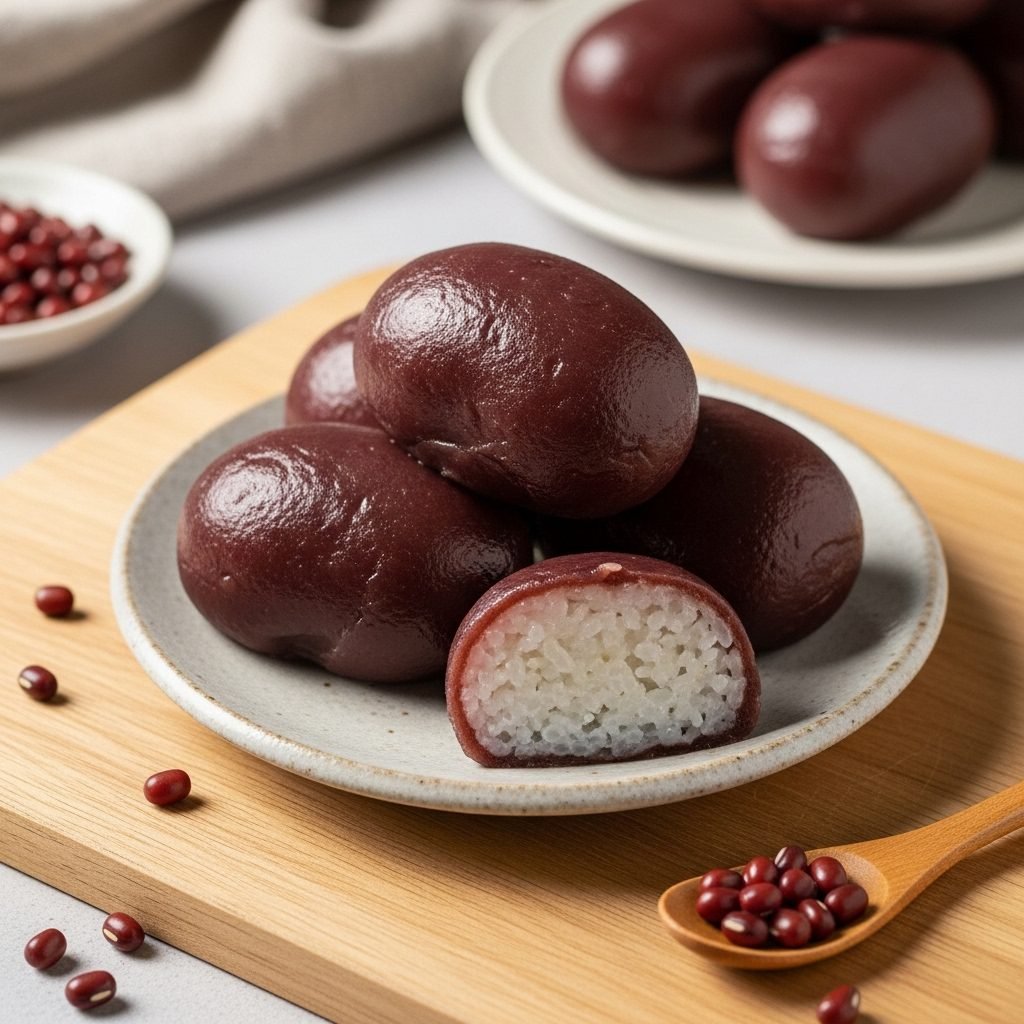
Soft & Sweet Botamochi: A Comforting Japanese Treat You Can Make Anytime
A Cozy Dessert Wrapped in Tradition
Botamochi is one of those snacks that feels like a warm hug from the past—soft, tender rice wrapped in a thick coat of sweet red bean paste. It’s traditionally enjoyed in the spring, especially around the equinox, but honestly, it’s the kind of dessert that fits any season.
What makes botamochi so charming is its balance: lightly chewy rice, subtly sweet anko, and that homey aroma you get when warm rice meets sweet beans. If you love simple desserts with big comfort energy, this recipe will instantly become one of your favorites.
Why You’ll Want to Make This
- Taste: Mildly sweet with earthy, nutty notes from adzuki beans.
- Texture: Soft rice with a pleasant chew—almost like a sweet, handheld rice pillow.
- Time: Around 1 hour, including cooking the rice.
- Difficulty: Beginner-friendly.
- Special Factor: A traditional treat with just a few ingredients and tons of nostalgic charm.
Ingredients
For the rice base:
- 1 cup short-grain white rice
- 1/2 cup glutinous rice (sweet rice)
- 2 cups water
- 2 tbsp sugar
- Pinch of salt
For the sweet coating:
- 2 cups sweetened red bean paste (anko, chunky or smooth)
Step-by-Step Instructions
- Rinse the Rice: Rinse both types of rice until the water runs mostly clear. Drain well.
- Cook the Rice: Add the rice and 2 cups water to a rice cooker or pot. Cook until tender and slightly sticky.
- Season the Rice: While still warm, gently fold in the sugar and salt. Mix lightly—avoid smashing the grains completely.
- Cool Slightly: Let the rice sit until it’s warm enough to handle but not hot.
- Shape the Rice: Scoop about 2–3 tablespoons of rice and press it into an oval or round shape with slightly damp hands.
- Divide the Anko: Portion the sweet red bean paste into pieces roughly the size of each rice ball.
- Wrap the Rice: Flatten a portion of anko in your palm, place the shaped rice in the center, and gently wrap the bean paste around it. Smooth the surface but don’t worry about perfect symmetry.
- Set Aside: Place each finished botamochi on a parchment-lined tray.
- Serve: Enjoy at room temperature.
Helpful Tips for Making Botamochi
- Slightly wet hands make shaping easier and prevent sticking.
- If your anko is too soft, chill it for 10–15 minutes.
- Don’t compress the rice too much—soft shaping gives a better bite.
- Smooth anko creates a clean look, while chunky anko adds rustic charm.
Ingredient Swaps & Dietary Options
- Sweeteners: Substitute sugar in the rice with honey or maple syrup (use slightly less water).
- Filling Variations: Use sesame paste, chestnut paste, or sweetened white bean paste.
- Low-Sugar Option: Use reduced-sugar anko.
- Gluten-Free: This recipe is naturally gluten-free as long as the bean paste contains no additives.
Common Mistakes to Avoid
- Overcooking the rice: Mushy rice doesn’t shape well.
- Using cold rice: Warm rice sticks together better.
- Handling the anko too much: It softens quickly; shape it gently.
- Overfilling: Too much rice can make wrapping difficult.
Serving Suggestions
- Pair with hot green tea or roasted barley tea.
- Arrange them on a pretty ceramic plate for a tea-time snack.
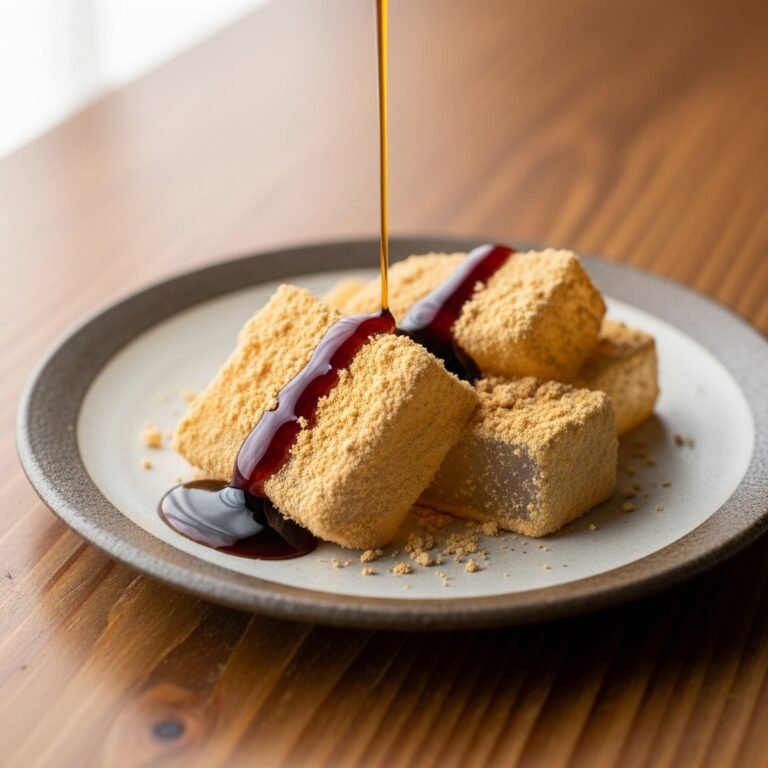
- Dust with kinako (roasted soybean flour) for a nutty twist.
- Add fresh strawberries on the side for a spring-inspired treat.
Storage & Reheating Tips
- Room Temperature: Best enjoyed same day.
- Refrigerator: Store in an airtight container for up to 2 days, but expect firmer texture.
- Reheating: Not recommended, but you can let refrigerated botamochi come to room temp.
- Freezing: Avoid freezing—texture becomes grainy after thawing.
FAQ
What’s the difference between botamochi and ohagi?
They’re nearly the same! Botamochi is typically eaten in spring, ohagi in fall—the name changes with the season.
Can I use a different type of rice?
Short-grain is essential for the right stickiness. Sushi rice works perfectly.
Can I halve the recipe?
Yes, just reduce the ingredients proportionally.
Is the bean paste too sweet?
You can control sweetness by choosing low-sugar anko.
Final Thoughts
Botamochi is such a nostalgic, comforting treat—simple ingredients, calming steps, and a soft sweetness that never overwhelms. Whether you’re exploring Japanese desserts or want something cozy to share with friends, this recipe is a lovely place to start.
Quick Summary
Soft, lightly sweetened rice wrapped in a coat of smooth red bean paste. Easy to make, deeply comforting, and perfect for tea time.
If you try this recipe, share your photos on Pinterest or tag me on social—I’d love to see how your botamochi turns out.