Dreamy Filipino Yema Cake with Golden Custard Frosting
Yema Cake Recipe
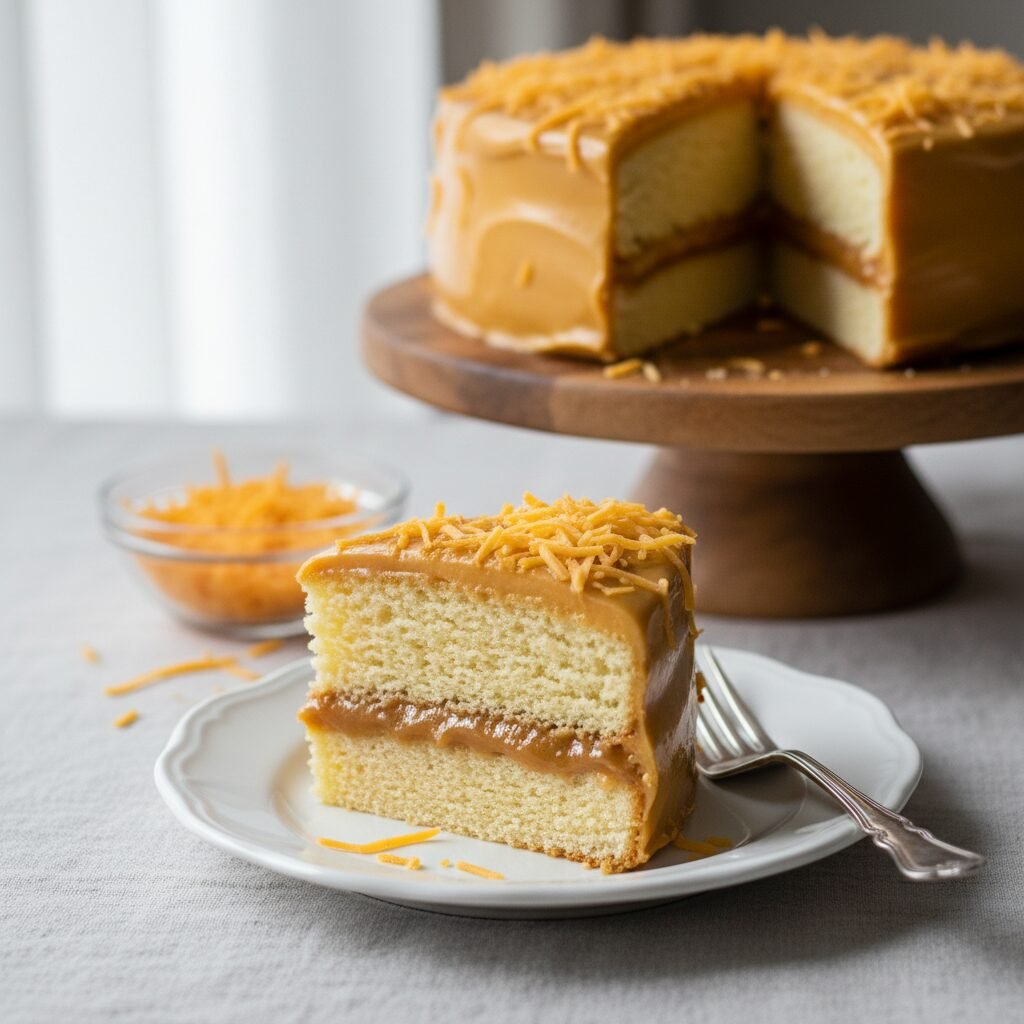
Get ready to fall in love with this unbelievably fluffy and tender chiffon cake, generously slathered in a rich, creamy, and decadent yema custard frosting. This classic Filipino dessert is a true showstopper, balancing a light-as-air texture with a sweet, caramel-like topping that’s simply irresistible. It’s the perfect centerpiece for any celebration or a special treat just for you!
30 minutes
45 minutes
1 hour 15 minutes, plus cooling time
One 9-inch round cake (10-12 servings)
Dessert
Baking
Filipino
N/A
Why You’ll Love This Recipe
- Incredibly light and airy chiffon cake texture
- Rich, smooth, and creamy golden custard frosting
- A stunning and impressive dessert for special occasions
- Authentic Filipino flavor that’s pure comfort
Equipment You’ll Need
- Stand mixer or hand mixer with whisk and paddle attachments
- Two 9-inch round cake pans
- Parchment paper
- Large mixing bowls
- Rubber spatula
- Flour sifter or fine-mesh sieve
- Medium saucepan
- Whisk
- Offset spatula
- Wire cooling rack
Ingredients
- For the Chiffon Cake:
- 2 1/4 cups cake flour, sifted
- 1 1/2 cups granulated sugar, divided
- 1 tablespoon baking powder
- 1/2 teaspoon salt
- 7 large egg yolks, at room temperature
- 1/2 cup vegetable oil or canola oil
- 3/4 cup water or milk, at room temperature
- 1 teaspoon vanilla extract
- 7 large egg whites, at room temperature
- 1/2 teaspoon cream of tartar
- For the Yema Custard Frosting:
- 1 can (14 ounces) sweetened condensed milk
- 1 can (12 ounces) evaporated milk
- 8 large egg yolks
- 1/4 cup (1/2 stick) unsalted butter, softened
- 1 teaspoon vanilla extract
- Pinch of salt
- Optional Garnish: 1/2 cup grated sharp cheddar cheese or toasted chopped cashews
Instructions
- Step 1: Prepare Your Pans and Oven. Preheat your oven to 325°F (165°C). Grease and flour two 9-inch round cake pans, then line the bottoms with parchment paper. Do not grease the sides of the pans; this helps the chiffon cake climb and achieve its signature height.
- Step 2: Mix the Dry Ingredients. In a large bowl, sift together the cake flour, 1 cup of the granulated sugar, baking powder, and salt. Sifting is key for a light, airy texture, so don’t skip it! Make a well in the center of the dry ingredients.
- Step 3: Combine the Wet Ingredients. In a separate medium bowl, whisk together the 7 egg yolks, vegetable oil, water (or milk), and vanilla extract until smooth and pale yellow.
- Step 4: Create the Cake Batter. Pour the wet ingredients into the well of the dry ingredients. Whisk everything together until just combined and you have a smooth, lump-free batter. Be careful not to overmix.
- Step 5: Whip the Meringue. In the clean bowl of a stand mixer fitted with the whisk attachment (or using a hand mixer), beat the 7 egg whites on medium speed until foamy. Add the cream of tartar and continue to beat until soft peaks form. Gradually add the remaining 1/2 cup of granulated sugar, one tablespoon at a time, and beat on high speed until stiff, glossy peaks form. The meringue should hold its shape when you lift the whisk.
- Step 6: Fold the Meringue into the Batter. Gently fold one-third of the whipped egg whites into the cake batter using a rubber spatula to lighten it. Then, gently fold in the remaining egg whites in two more additions. Use a gentle ‘down, across, and up’ folding motion to incorporate the meringue without deflating the air you worked so hard to create. Stop folding as soon as no white streaks remain.
- Step 7: Bake the Chiffon Cakes. Evenly divide the batter between the two prepared cake pans. Bake for 30-35 minutes, or until a wooden skewer inserted into the center of the cakes comes out clean. The tops should be golden brown and spring back when lightly touched.
- Step 8: Cool the Cakes. Immediately upon removing from the oven, invert the cake pans onto a wire cooling rack. Let them cool completely upside down. This prevents the delicate chiffon from collapsing on itself. Once fully cooled (about 1-2 hours), run a thin knife around the edges of the pans and carefully release the cakes.
- Step 9: Start the Yema Frosting. While the cakes are cooling, prepare the frosting. In a medium, heavy-bottomed saucepan, whisk together the sweetened condensed milk, evaporated milk, and 8 egg yolks until smooth. It’s important to do this off the heat to prevent the yolks from scrambling.
- Step 10: Cook the Custard. Place the saucepan over low to medium-low heat. Cook, stirring constantly with a whisk or rubber spatula, scraping the bottom and sides of the pan to prevent scorching. The mixture will slowly thicken. This process can take 15-20 minutes. Be patient!
- Step 11: Finish the Frosting. Continue cooking until the custard is very thick, like pudding, and you can see the bottom of the pan for a second when you scrape it. Remove from the heat and immediately stir in the softened butter, vanilla extract, and a pinch of salt until the butter is fully melted and incorporated. The frosting will be smooth and glossy.
- Step 12: Cool the Frosting. Transfer the yema frosting to a bowl and cover the surface directly with plastic wrap to prevent a skin from forming. Let it cool to room temperature.
- Step 13: Assemble the Yema Cake. If your cake layers have domed tops, use a serrated knife to level them. Place one cake layer on your serving platter. Spread about half of the cooled yema frosting evenly over the top. Place the second cake layer on top. Use the remaining frosting to cover the top and sides of the entire cake, using an offset spatula for a smooth or beautifully rustic finish.
- Step 14: Garnish and Chill. Sprinkle the top with grated sharp cheddar cheese or toasted cashews, if using. The salty cheese perfectly balances the sweet custard. Chill the cake in the refrigerator for at least 1 hour before serving to allow the frosting to set. Slice, serve, and enjoy the magic!
Expert Cooking Tips
- Room Temperature is Key: Ensure your eggs and liquids (water/milk) are at room temperature. This helps them incorporate better into the batter, creating a more uniform and tender crumb.
- Don’t Under-whip Your Meringue: The structure of the chiffon cake relies entirely on the whipped egg whites. Make sure you beat them to stiff, glossy peaks. The meringue should be firm enough to hold its shape completely.
- Gentle Folding is a Must: Be very gentle when folding the meringue into the batter. The goal is to keep as much air in the mixture as possible. An overmixed batter will result in a dense, tough cake.
- Low and Slow for the Yema: Cook the yema frosting over low heat and stir constantly. High heat will scramble the egg yolks and create a lumpy, grainy texture. Patience is your best friend here!
- Cool Completely Before Frosting: Make sure your cake layers are 100% cool before you attempt to frost them. A warm cake will melt the yema frosting, creating a soupy mess.
Substitutions and Variations
If you don’t have cake flour, you can make a substitute: for every 1 cup of all-purpose flour, remove 2 tablespoons of flour and replace it with 2 tablespoons of cornstarch. Sift together several times before using. For a slightly different flavor profile in the yema, you can add a squeeze of calamansi or lemon juice to the frosting after cooking to cut through the richness.
Common Mistakes to Avoid
The most common mistake is deflating the egg whites during the folding stage, which leads to a dense, flat cake. Use a light hand and stop folding as soon as the batter is uniform. Another frequent issue is overbaking the chiffon, which can make it dry. Check for doneness a few minutes early. When making the yema, do not walk away from the stove; it can go from perfectly thick to scorched in seconds. Constant stirring is non-negotiable.
Serving Suggestions
Serve a generous slice of this yema cake with a hot cup of black coffee or strong tea to balance its sweetness. It’s a fantastic dessert for family gatherings, potlucks, birthdays, and holiday celebrations like Christmas or Noche Buena. The contrast of the sweet custard and salty cheese topping is a classic Filipino pairing that always delights.
Storage and Reheating Tips
Due to the egg and dairy-based custard frosting, this cake must be stored in the refrigerator. Place it in an airtight cake container or cover it loosely with plastic wrap. It will stay fresh for up to 4 days. For the best taste and texture, let it sit at room temperature for about 15-20 minutes before serving to take the chill off.
Nutrition Facts (Estimated)
| Serving Size | 1 slice |
| Calories | 420 kcal |
| Fat | 20 g |
| Saturated Fat | 10 g |
| Unsaturated Fat | 10 g |
| Trans Fat | 0 g |
| Cholesterol | 180 mg |
| Sodium | 250 mg |
| Carbohydrates | 55 g |
| Fiber | 1 g |
| Sugar | 35 g |
| Protein | 7 g |
Frequently Asked Questions
What exactly is ‘yema’?
Yema is a traditional Filipino custard candy made from egg yolks, milk, and sugar. The name translates to ‘egg yolk’ in Spanish. In this cake recipe, we create a softer, spreadable version of this custard to use as a rich and delicious frosting and filling.
Why did my chiffon cake sink in the middle after baking?
A chiffon cake can sink for a few reasons. The most common culprits are opening the oven door too early during baking, which causes a sudden drop in temperature; underbaking the cake, leaving the center structure too weak to support itself; or deflating the egg whites too much when folding them into the batter.
Can I make this yema cake ahead of time?
Yes, you can! You can bake the chiffon cake layers a day in advance. Once cooled completely, wrap them tightly in plastic wrap and store them at room temperature. The yema frosting can also be made a day ahead and stored in an airtight container in the refrigerator with plastic wrap pressed against the surface. Assemble the cake a few hours before you plan to serve it for the best results.
My yema frosting turned out lumpy. How can I fix it?
Lumpy frosting is usually caused by the heat being too high, which scrambles the egg yolks. If it’s only slightly lumpy, you can sometimes save it by immediately removing it from the heat and whisking vigorously. For a smoother texture, you can also press it through a fine-mesh sieve while it’s still warm to strain out any cooked bits of egg.
Conclusion
There you have it—a truly special Filipino Yema Cake that’s as delightful to look at as it is to eat. The combination of the airy chiffon and the luscious custard is a match made in dessert heaven. I hope you and your loved ones enjoy every single bite of this sweet creation. If you try this recipe, I’d be thrilled to see it! Please tag me in your photos on Instagram and Pinterest!