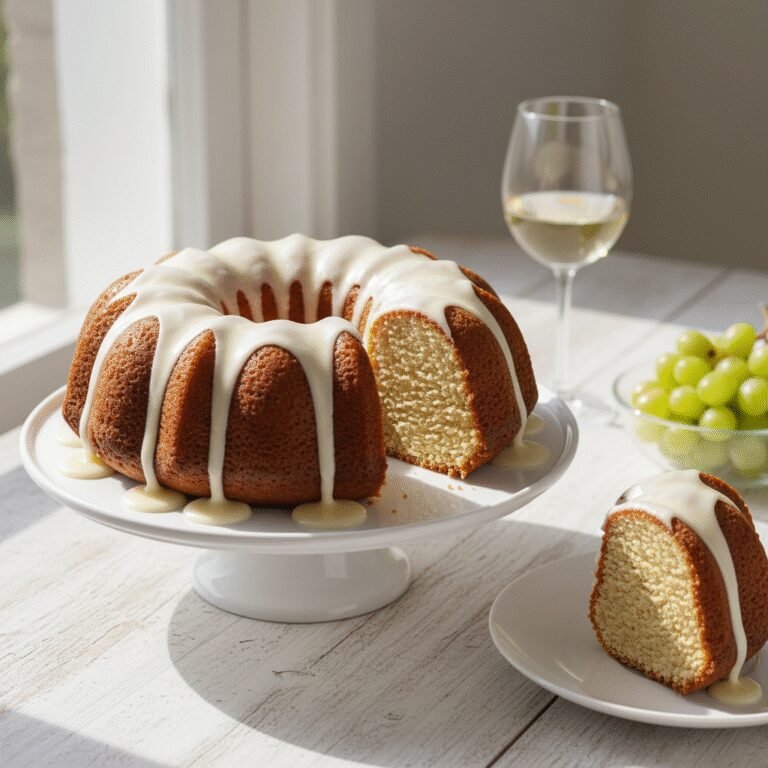
Soft, Golden Baba Bread Soaked in Sweet Citrus Syrup
Baba (often called baba au rhum or simply “baba”) is one of those desserts that somehow manages to feel both rustic and elegant at the same time. It’s a tender, airy yeast cake—almost bread-like—soaked in warm syrup that makes every bite soft, fragrant, and beautifully moist. Though it has roots in classic European baking, it’s surprisingly approachable to make at home.
If you love desserts that feel buttery, cozy, and a little indulgent without being heavy, this baba recipe brings all of that to your table. The aroma alone—vanilla, citrus, and warm dough—makes the whole kitchen feel inviting.
Why You’ll Love This Baba
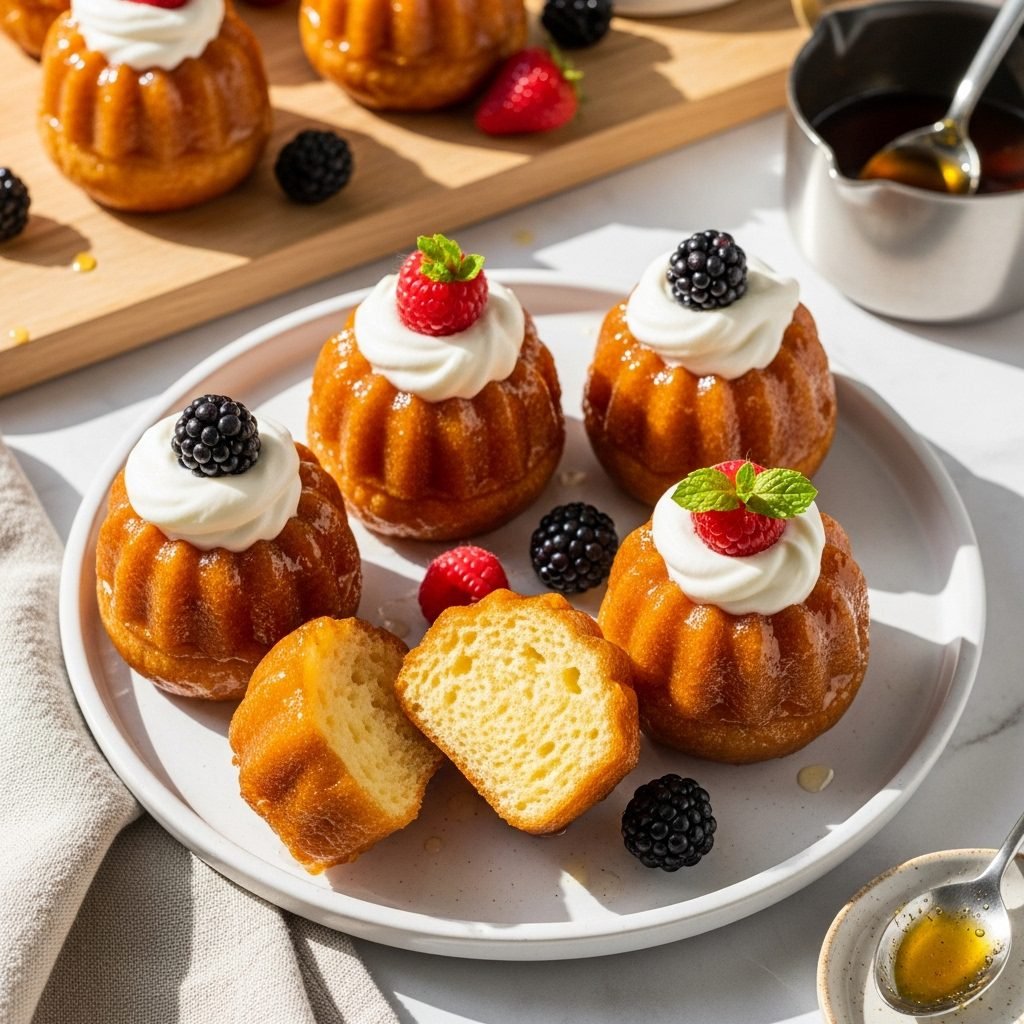
This baba bakes up light and springy, with a golden exterior and a soft crumb that absorbs syrup while staying wonderfully pillowy. The syrup adds sweetness without overwhelming the dough, and if you want, you can even add a splash of rum for a more traditional flavor. It’s a treat that feels celebratory but is simple enough for an afternoon baking project.
Quick Highlights
- Taste: Soft, lightly sweet yeast cake with warm citrus notes
- Prep Time: 25 minutes + rising time
- Bake Time: 20–25 minutes
- Difficulty: Beginner-friendly
- What Makes It Special: The tender dough absorbs syrup beautifully, creating a melt-in-your-mouth texture
Ingredients
Dough
- 1 cup all-purpose flour
- 1/2 cup warm milk (about 110°F)
- 2 tbsp granulated sugar
- 2 1/4 tsp active dry yeast (1 packet)
- 2 large eggs, room temperature
- 1/4 cup unsalted butter, softened
- Pinch of salt
Syrup
- 1 cup water
- 1 cup granulated sugar
- Zest of 1 lemon
- 1 tbsp lemon juice
- 1 tsp vanilla extract
- Optional: 1–2 tbsp rum (traditional but not required)
Finishing
- Whipped cream for topping (optional)
- Fresh berries or candied citrus peel
Step-by-Step Instructions
1. Activate the yeast
In a bowl, combine warm milk, sugar, and yeast. Let it sit for 5–10 minutes until foamy. This ensures the yeast is active and ready.
2. Mix the dough
Add eggs, flour, and salt to the yeast mixture. Stir until the dough starts forming. Add softened butter and mix until smooth. The dough will be sticky—that’s normal.
3. First rise
Cover the bowl with a towel and let the dough rise for 45–60 minutes or until doubled in size.
4. Prepare the molds
Grease a muffin pan or small bundt molds. Baba is often baked in individual portions, but you can also use a single small bundt pan.
5. Fill and rise again
Scoop the dough into the molds, filling each about halfway. Let rise again for 20–30 minutes.
6. Bake
Preheat oven to 350°F. Bake for 20–25 minutes or until golden brown. A toothpick should come out clean.
7. Make the syrup
In a saucepan, combine water, sugar, lemon zest, lemon juice, and vanilla. Simmer for 5 minutes until the sugar dissolves. Remove from heat and stir in rum if using.
8. Soak the baba
While the babas are still warm, dip each one into the warm syrup or spoon syrup generously over the top. They should be saturated but not mushy.
9. Cool and serve
Let them rest on a rack to allow excess syrup to drip off. Serve topped with whipped cream and berries.
Helpful Tips for Soft, Soaked Baba
- Sticky dough means light texture—avoid adding extra flour.
- Warm syrup absorbs better than cold.
- Use room-temperature eggs so the dough mixes smoothly.
- Letting the dough rise fully gives the baba its airy structure.
- If using silicone molds, remove babas gently—they’re delicate when warm.
Ingredient Substitutions & Dietary Options
- Butter substitute: Plant-based butter works well.
- Dairy-free: Use almond or oat milk in place of regular milk.
- No rum: Replace with orange juice for citrusy sweetness.
- Sugar alternatives: Use a 1:1 sugar substitute for the syrup.
Common Mistakes to Avoid
- Adding too much flour: This creates dense, dry baba.
- Skipping the second rise: Babas won’t puff properly.
- Cold syrup: Won’t soak in as effectively.
- Over-soaking: Babas should be moist, not soggy.
- Using hot molds: Let the pan cool slightly before the second batch.
Serving Suggestions
- Serve with lightly sweetened whipped cream.
- Add fresh raspberries, strawberries, or sliced peaches.
- Drizzle with extra syrup right before serving.
- For a festive touch, add a spoonful of lemon curd on top.
Storage & Reheating Tips
- Store soaked babas in an airtight container for 2–3 days.
- If they dry out, warm them gently and spoon on a bit more syrup.
- Freeze unsoaked babas for up to 2 months; thaw and soak when ready.
- Avoid microwaving soaked babas—they can become gummy.
FAQ
Can I make baba without yeast?
Traditional baba uses yeast for its airy crumb, so substitutes won’t produce the same texture.
Can I bake it as one large cake?
Yes! Use a small bundt pan and extend baking time to about 35–40 minutes.
Why is my baba dense?
Either the dough didn’t rise long enough or too much flour was added.
Can I flavor the syrup differently?
Absolutely—orange zest, cinnamon, or even vanilla bean work beautifully.
Final Thoughts
Baba is one of those desserts that reminds you how comforting simple ingredients can be. Flour, yeast, sugar, butter—there’s magic in how they rise, bake, and soak up syrup to become something tender and memorable. Whether you’re baking it for a celebration or simply because you’re craving something soft and sweet, this baba brings that warm, homemade feeling every time.
Short Summary
Soft, airy baba cakes soaked in warm citrus syrup, lightly sweet and beautifully tender—finished with whipped cream or fresh fruit.
Share the Love
If this baba makes its way to your table, share a photo on Pinterest or your favorite social platform—someone will want to try it too.