Soft & Chewy Kashiwa Mochi: A Cute Spring Treat You Can Make at Home
A Sweet Tradition Wrapped in an Oak Leaf
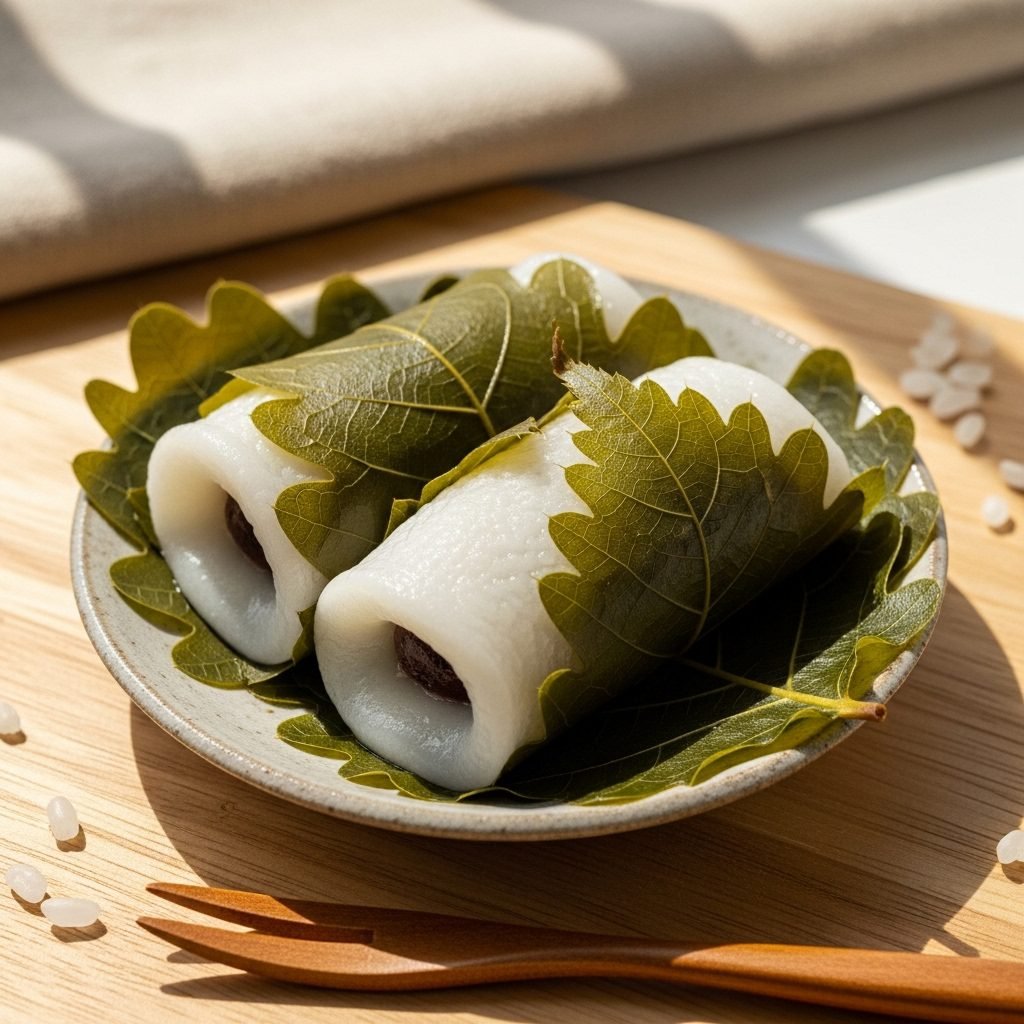
Kashiwa mochi is one of those desserts that feels like a tiny celebration in your hands. Traditionally enjoyed during Japan’s Children’s Day in May, these soft, chewy rice cakes are filled with sweet red bean paste and wrapped in fragrant oak leaves. While the leaves aren’t eaten, they give the mochi a subtle woodsy aroma that makes each bite feel special.
If you love soft, stretchy desserts or anything that combines gentle sweetness with cozy textures, this is a recipe you’ll want to make more than once. It’s simple, comforting, and surprisingly fun to put together.
What Makes This Recipe Worth Trying
- Taste: Mildly sweet with a lovely hint of earthy aroma from the oak leaf.
- Texture: Tender, chewy mochi with a smooth, creamy bean filling.
- Time: About 40 minutes from start to finish.
- Difficulty: Easy enough for beginners.
- Special Factor: The oak leaf wrapping gives the mochi a one-of-a-kind look and scent.
Ingredients
For the mochi dough:
- 1 cup glutinous rice flour (sweet rice flour)
- 1/4 cup sugar
- 1/2 cup water (plus more as needed)
For the filling:
- 3/4 cup sweetened red bean paste (anko)
For wrapping:
- 8–10 kashiwa (oak) leaves, rinsed and patted dry (inedible)
Step-by-Step Instructions
- Prepare the Filling: Divide the red bean paste into 8–10 small balls, about 1 tablespoon each. Set aside.
- Make the Dough: In a mixing bowl, combine the glutinous rice flour and sugar. Add the water gradually while stirring until the dough comes together into a soft, pliable ball. It should feel like soft playdough.
- Steam the Dough: Transfer the dough to a heatproof bowl and steam for about 12–15 minutes. The dough will turn shiny and slightly translucent when ready.
- Knead the Dough: Carefully remove the dough (it will be hot). Knead it on a lightly floured surface (use glutinous rice flour) until smooth and stretchy.
- Shape the Mochi: Divide the dough into equal portions. Flatten each into a round disc about 3 inches wide.
- Add the Filling: Place a ball of red bean paste in the center of each disc. Fold the dough over the filling and pinch the edges to seal.
- Shape and Smooth: Gently shape each piece into an oval or round dumpling. Smooth out any seams.
- Wrap in Oak Leaves: Place each mochi onto an oak leaf and gently fold the leaf over the top. Press lightly so it adheres.
- Serve: Enjoy at room temperature. Remember, the leaves are for aroma and presentation only.
Tips for Making Kashiwa Mochi
- Keep your hands lightly dusted with sweet rice flour to prevent sticking.
- If the dough cracks, add a teaspoon of water at a time and knead until smooth.
- Steam the dough instead of microwaving for a softer, more traditional texture.
- Oak leaves can often be found in Japanese grocery stores near the refrigerated mochi section.
Ingredient Substitutions & Dietary Options
- Filling Variations: Try white bean paste (shiroan) for a lighter flavor or black sesame paste for a nutty twist.
- Sugar Adjustments: You can reduce the sugar in the dough for a more subtle dessert.
- Gluten-Free: This recipe is naturally gluten-free thanks to glutinous rice flour.
- No Oak Leaves: Banana leaves or parchment paper can be used simply for presentation, though you’ll miss the signature aroma.
Common Mistakes to Avoid
- Using regular rice flour: Only glutinous rice flour creates the soft, stretchy texture.
- Skipping the kneading step: Kneading helps the mochi become smooth and elastic.
- Overfilling: Too much bean paste will break the dough.•
- Eating the leaf: It’s only for fragrance and presentation.
Serving Ideas
- Pair with hot green tea or roasted barley tea.
- Serve on small plates with a simple ribbon of honey or a sprinkle of toasted sesame seeds.
- Add to a dessert board with fresh fruit and other Japanese treats.
- Enjoy slightly chilled on warm days for a refreshing texture.
Storage & Reheating
- Room Temperature: Best eaten within 24 hours.
- Refrigerator: Store in an airtight container with a piece of parchment between each mochi to prevent sticking; up to 2 days.
- Reheating: If the mochi becomes firm, warm it for 5–10 seconds in the microwave to soften.
- Freezing: Not recommended—mochi texture changes when frozen.
Frequently Asked Questions
Can I make the dough without steaming?
Microwaving works, but steaming gives better texture and prevents drying.
Where do I find oak leaves?
Japanese grocery stores typically carry them around springtime or in the refrigerated section.
Can I make them ahead?
Yes—prepare them a few hours in advance and store covered until serving.
Can I use store-bought mochi dough?
You can, but homemade dough has a fresher, softer feel.
Final Words
Kashiwa mochi is such a charming treat to make at home. The process feels hands-on and calming, and the result is a dessert that looks thoughtful and tastes even better. Whether you’re new to Japanese sweets or already love mochi, this recipe brings a little seasonal joy to your kitchen.
Quick Summary
Soft, chewy mochi filled with sweet red bean paste and wrapped in fragrant oak leaves. Simple, comforting, and lovely to share.
If you make this recipe, share your photos on Pinterest or tag me on social—I’d be so excited to see how your kashiwa mochi turns out.