Chewy Coconut Dream Dumplings (Filipino Palitaw)
Palitaw Recipe
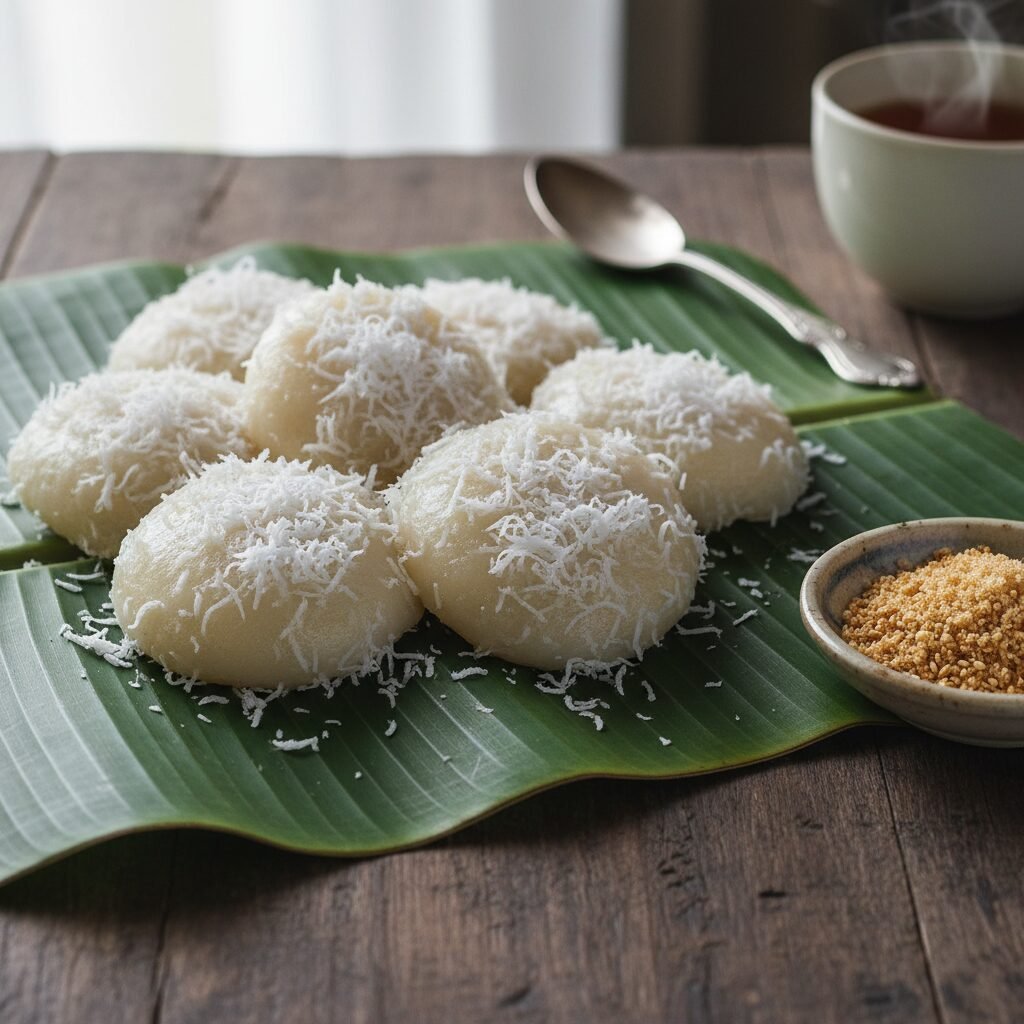
Get ready to fall in love with Palitaw, the easiest and most delightful Filipino dessert you’ll ever make! These soft, chewy sweet rice dumplings are boiled until they float, then rolled in a flurry of fresh coconut, toasted sesame seeds, and sugar. It’s a simple, 5-ingredient recipe that delivers an incredibly satisfying treat in just 20 minutes.
10 minutes
10 minutes
20 minutes
12-15 dumplings
Dessert
Stovetop
Filipino
Gluten-Free
Why You’ll Love This Recipe
- Ready in just 20 minutes
- Made with only 5 simple ingredients
- Naturally gluten-free and vegan
- Incredibly soft, chewy, and nutty texture
Equipment You’ll Need
- Large mixing bowl
- Large pot or Dutch oven
- Slotted spoon
- Small skillet
- Measuring cups and spoons
- Several shallow plates or bowls for coatings
Ingredients
- 2 cups glutinous rice flour (also called sweet rice flour or mochiko)
- 1 cup warm water, plus more as needed
- 1 1/2 cups shredded fresh coconut, or unsweetened desiccated coconut
- 1/2 cup granulated sugar
- 1/4 cup sesame seeds, toasted
Instructions
- Prepare your coating stations. Place the shredded coconut on one shallow plate. In a small bowl, mix the toasted sesame seeds and granulated sugar together, then spread this mixture on a second shallow plate. Set both aside.
- In a small, dry skillet over medium-low heat, toast the sesame seeds, stirring frequently, until they become fragrant and turn a light golden brown, about 2-3 minutes. Be careful not to burn them. Remove from heat immediately and mix with the sugar.
- In a large mixing bowl, gradually add the warm water to the glutinous rice flour. Mix with your hands until a smooth, pliable dough forms, similar to the consistency of play-doh. If it’s too dry, add more water one tablespoon at a time. If it’s too sticky, add a little more flour.
- Pinch off about 2 tablespoons of dough and roll it between your palms to form a smooth ball. Gently flatten the ball into a disc about 1/4-inch thick and 2 inches in diameter.
- Repeat with the remaining dough, placing the flattened discs on a parchment-lined tray to prevent sticking.
- Bring a large pot of water to a rolling boil over medium-high heat.
- Carefully drop the dough discs into the boiling water, one by one, ensuring not to overcrowd the pot. You may need to cook them in batches.
- Cook the dumplings for about 3-5 minutes. You’ll know they’re done when they float to the surface. Let them cook for another minute after they float to ensure the center is cooked through.
- Using a slotted spoon, remove the cooked dumplings from the pot, allowing excess water to drip off.
- Immediately transfer the hot dumplings to the plate with the shredded coconut. Gently roll them around to coat all sides completely.
- Serve the coconut-coated palitaw warm, with the toasted sesame seed and sugar mixture on the side for dipping, or sprinkled generously over the top.
Expert Cooking Tips
- Use warm water to mix the dough. It helps the glutinous rice flour absorb the liquid better, resulting in a smoother, more pliable dough that’s easier to work with.
- Don’t overcrowd the pot when boiling. Cooking in batches gives the palitaw enough room to float to the surface without sticking together, ensuring they cook evenly.
- For the best flavor and texture, use freshly grated coconut if you can find it. If using desiccated coconut, you can lightly steam it for a minute or two to rehydrate it and make it softer.
- The moment the palitaw float to the top, they are cooked. Leaving them in the boiling water for too long can make them mushy and lose their delightful chewiness.
Substitutions and Variations
While glutinous rice flour is essential for that signature chewy texture, you can get creative with the coatings! Instead of sesame seeds, try finely chopped toasted peanuts or pistachios mixed with sugar for a different kind of crunch. For a richer flavor, you can use brown sugar or coconut sugar instead of white granulated sugar. If fresh coconut is unavailable, unsweetened desiccated coconut works well; just steam it briefly to soften it up before using.
Common Mistakes to Avoid
The most common mistake is getting the dough consistency wrong. If the dough is too dry, it will crack when you flatten it. If it’s too wet, it will be a sticky mess and may disintegrate in the water. Add water or flour gradually until you have a smooth, non-sticky, play-doh-like texture. Another pitfall is not coating the dumplings immediately after boiling. The surface of the hot, wet dumplings is what makes the coconut stick, so work quickly once they come out of the water.
Serving Suggestions
Palitaw is best served warm and fresh, right after it’s made. Arrange the glistening dumplings on a platter and serve with the sesame sugar on the side for dipping, allowing everyone to customize their sweetness. It’s a wonderful afternoon snack (merienda) paired with a hot cup of black tea, coffee, or a traditional Filipino hot chocolate called ‘tsokolate’.
Storage and Reheating Tips
Honestly, palitaw is a treat that’s best enjoyed on the day it’s made, as the texture can harden and dry out quickly. If you must store leftovers, place them in a single layer in an airtight container at room temperature for up to 24 hours. Do not refrigerate, as this will make them hard. To refresh them slightly, you can steam them for a minute or two, but they won’t be quite as perfect as when they were fresh.
Nutrition Facts (Estimated)
| Serving Size | 3 dumplings |
| Calories | 215 kcal |
| Fat | 6 g |
| Saturated Fat | 5 g |
| Unsaturated Fat | 1 g |
| Trans Fat | 0 g |
| Cholesterol | 0 mg |
| Sodium | 15 mg |
| Carbohydrates | 38 g |
| Fiber | 3 g |
| Sugar | 12 g |
| Protein | 3 g |
Frequently Asked Questions
What is glutinous rice flour and can I use regular rice flour instead?
Glutinous rice flour, also known as sweet rice flour or mochiko, is made from a type of sticky rice. It’s what gives palitaw its signature soft and chewy texture. You cannot substitute it with regular rice flour, which would result in a gritty and hard dumpling.
Why did my palitaw dumplings taste doughy or raw inside?
This usually means they were either too thick or not boiled long enough. Make sure to flatten the dough balls to about 1/4-inch thickness. After they float to the surface of the boiling water, let them cook for about 60 seconds more to ensure the center is fully cooked.
Can I add a filling to my palitaw?
Absolutely! While classic palitaw is unfilled, you can definitely add a small amount of filling. Popular options include a sweet bean paste, a pinch of yema (sweet custard), or a sweet coconut jam. Just be sure to seal the edges of the dough very well to prevent the filling from leaking out during boiling.
My dough is too sticky to handle. What should I do?
If your dough is too sticky, it means you’ve added a bit too much water. Simply add more glutinous rice flour, one tablespoon at a time, and knead it in until the dough is smooth, pliable, and no longer sticks to your hands or the bowl.
Conclusion
There you have it—a taste of the Philippines in one of the simplest, most delightful desserts imaginable. This Palitaw recipe is a testament to how a few humble ingredients can create something truly special. I hope you enjoy the process of making these chewy, coconut-dusted gems as much as you enjoy eating them! If you try this recipe, I’d love to see it! Snap a photo and share it on Pinterest or Instagram, and don’t forget to tag me!