Sun-Kissed Citrus Loaf Cake (Classic Chilean Queque Seco)
Queque Seco Recipe
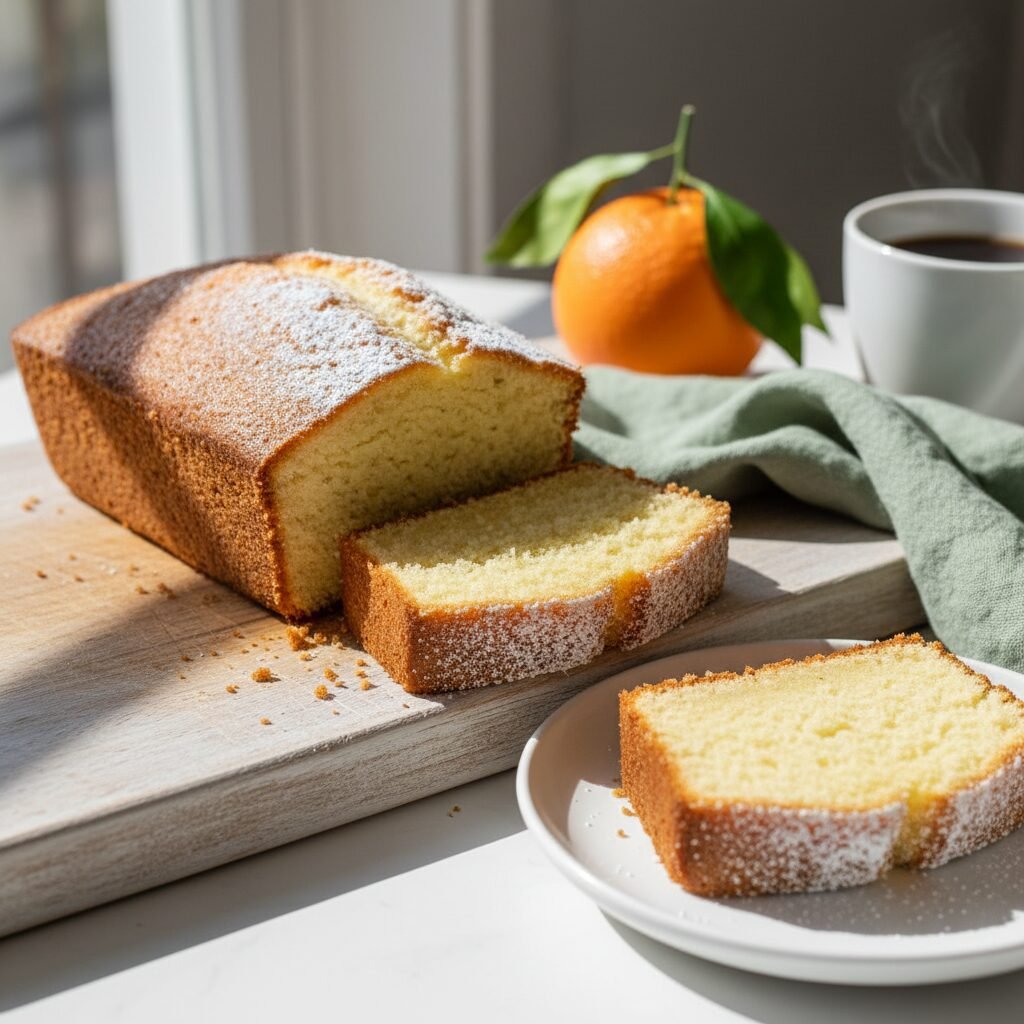
Get ready to fall in love with the simple, cozy charm of this Chilean Queque Seco! This isn’t just any pound cake; it’s a wonderfully tender, moist loaf infused with bright citrus zest and a hint of vanilla. It’s the effortlessly elegant, one-bowl wonder you’ll bake again and again for coffee dates, afternoon snacks, or a simple, comforting dessert.
15 minutes
50 minutes
1 hour 5 minutes
10-12 slices
Dessert
Baking
Chilean
N/A
Why You’ll Love This Recipe
- Incredibly easy one-bowl recipe
- Bright, sun-kissed flavor from fresh orange zest
- A perfectly tender and moist crumb every time
- The ultimate comforting coffee-time companion
Equipment You’ll Need
- 9×5 inch loaf pan
- Large mixing bowl
- Electric hand mixer or stand mixer
- Whisk
- Rubber spatula
- Measuring cups and spoons
- Wire cooling rack
Ingredients
- 1/2 cup (1 stick) unsalted butter, softened to room temperature
- 1 cup granulated sugar
- 2 large eggs, at room temperature
- 1 teaspoon pure vanilla extract
- 1 tablespoon fresh orange zest (from about 1 large orange)
- 1 1/2 cups all-purpose flour
- 1 1/2 teaspoons baking powder
- 1/4 teaspoon salt
- 1/2 cup whole milk, at room temperature
- Powdered sugar for dusting (optional)
Instructions
- Preheat your oven to 350°F (175°C). Grease and flour a 9×5 inch loaf pan, or line it with parchment paper, leaving an overhang on the sides to easily lift the cake out later.
- In a large mixing bowl, using an electric hand mixer or a stand mixer with the paddle attachment, cream the softened butter and granulated sugar together on medium-high speed for about 3-4 minutes, until it’s very light, pale, and fluffy. Scrape down the sides and bottom of the bowl as needed.
- Add the eggs one at a time, beating well after each addition until fully incorporated. Beat in the vanilla extract and fresh orange zest until just combined.
- In a separate medium bowl, whisk together the all-purpose flour, baking powder, and salt.
- With the mixer on low speed, add the dry ingredients to the wet ingredients in three alternating additions with the milk, beginning and ending with the dry ingredients. (So: 1/3 flour mixture, 1/2 milk, 1/3 flour mixture, 1/2 milk, final 1/3 flour mixture). Mix only until the last streaks of flour have disappeared. Do not overmix.
- Pour the batter into your prepared loaf pan and use a spatula to spread it evenly. The batter will be thick.
- Bake for 45-55 minutes, or until the top is golden brown and a wooden skewer or toothpick inserted into the center comes out clean or with a few moist crumbs attached.
- Let the cake cool in the pan on a wire rack for about 15 minutes before using the parchment paper overhang to lift it out. Let it cool completely on the wire rack before slicing.
- Once cool, dust with powdered sugar if desired, slice, and serve.
Expert Cooking Tips
- Room temperature ingredients are non-negotiable! Softened butter, room temperature eggs, and milk will emulsify properly, creating a smooth batter and a tender, even crumb.
- Don’t skip the creaming step. Beating the butter and sugar until it’s light and fluffy incorporates air into the batter, which is key to a light-textured pound cake.
- Be gentle when you mix. Once you add the flour, you’re developing gluten. Overmixing will result in a tough, dense cake. Mix only until the ingredients are just combined.
- For an extra flavor boost, rub the orange zest into the granulated sugar with your fingertips before creaming it with the butter. This releases the oils in the zest for a more intense citrus aroma.
Substitutions and Variations
Feel free to swap the orange zest for lemon or even lime zest for a different citrusy twist. You can substitute the whole milk with buttermilk, sour cream, or plain Greek yogurt for an even moister, tangier crumb (use the same amount). For a gluten-free version, use a high-quality 1-to-1 gluten-free baking flour blend containing xanthan gum.
Common Mistakes to Avoid
The most common mistake is overmixing the batter after adding the flour, which leads to a dense and tough cake. Mix just until you no longer see streaks of flour. Another issue is a sunken center, which can be caused by opening the oven door too early or an underbaked cake. Always test for doneness with a toothpick in the thickest part of the loaf.
Serving Suggestions
This cake is absolutely perfect on its own with a hot cup of coffee or tea. For a more decadent dessert, serve a warm slice with a dollop of fresh whipped cream, a scoop of vanilla bean ice cream, or a side of fresh berries. You can also lightly toast a slice and spread it with butter for a delightful breakfast treat.
Storage and Reheating Tips
Store the Queque Seco in an airtight container at room temperature for up to 4 days. For longer storage, wrap the entire loaf or individual slices tightly in plastic wrap, then in aluminum foil, and freeze for up to 3 months. Thaw at room temperature before serving.
Nutrition Facts (Estimated)
| Serving Size | 1 slice |
| Calories | 295 kcal |
| Fat | 15 g |
| Saturated Fat | 9 g |
| Unsaturated Fat | 6 g |
| Trans Fat | 0.5 g |
| Cholesterol | 70 mg |
| Sodium | 180 mg |
| Carbohydrates | 36 g |
| Fiber | 1 g |
| Sugar | 22 g |
| Protein | 4 g |
Frequently Asked Questions
My cake turned out dry. What did I do wrong?
Dryness in a pound cake is usually caused by overbaking or measuring the flour incorrectly. Make sure to spoon your flour into the measuring cup and level it off, rather than scooping directly from the bag, which compacts it. Also, start checking for doneness a few minutes before the recipe suggests, as all ovens are different.
Can I bake this in a different type of pan?
Yes! This batter works well in an 8-inch round cake pan or a standard bundt pan. If using a bundt pan, you may need to double the recipe. Adjust the baking time accordingly—smaller or shallower pans will bake faster.
Can I add mix-ins like chocolate chips or nuts?
Absolutely! Fold in about 3/4 cup of chocolate chips, chopped walnuts, or pecans into the batter at the very end. You could also add 1/2 cup of dried cranberries for a festive touch.
Why is it called ‘Queque Seco’ or ‘Dry Cake’?
The name ‘Queque Seco’ (Dry Cake) is a bit of a misnomer! It doesn’t mean the cake is unpleasantly dry. It simply refers to a plain cake that is typically served without any frosting, syrup, or filling, making it ‘dry’ in comparison to a layer cake. When made correctly, it should be beautifully moist and tender.
Conclusion
There’s a special kind of magic in a simple, perfectly baked loaf cake, and this Chilean Queque Seco is a true gem. It’s a recipe that feels like a warm hug, ready to brighten any afternoon. I hope you love baking this little slice of sunshine as much as I do! If you try it, I’d be thrilled to see your creation—tag me on social media and share a photo on Pinterest!