Springerle Cookies That Bring Old‑World Charm to Your Holiday Baking
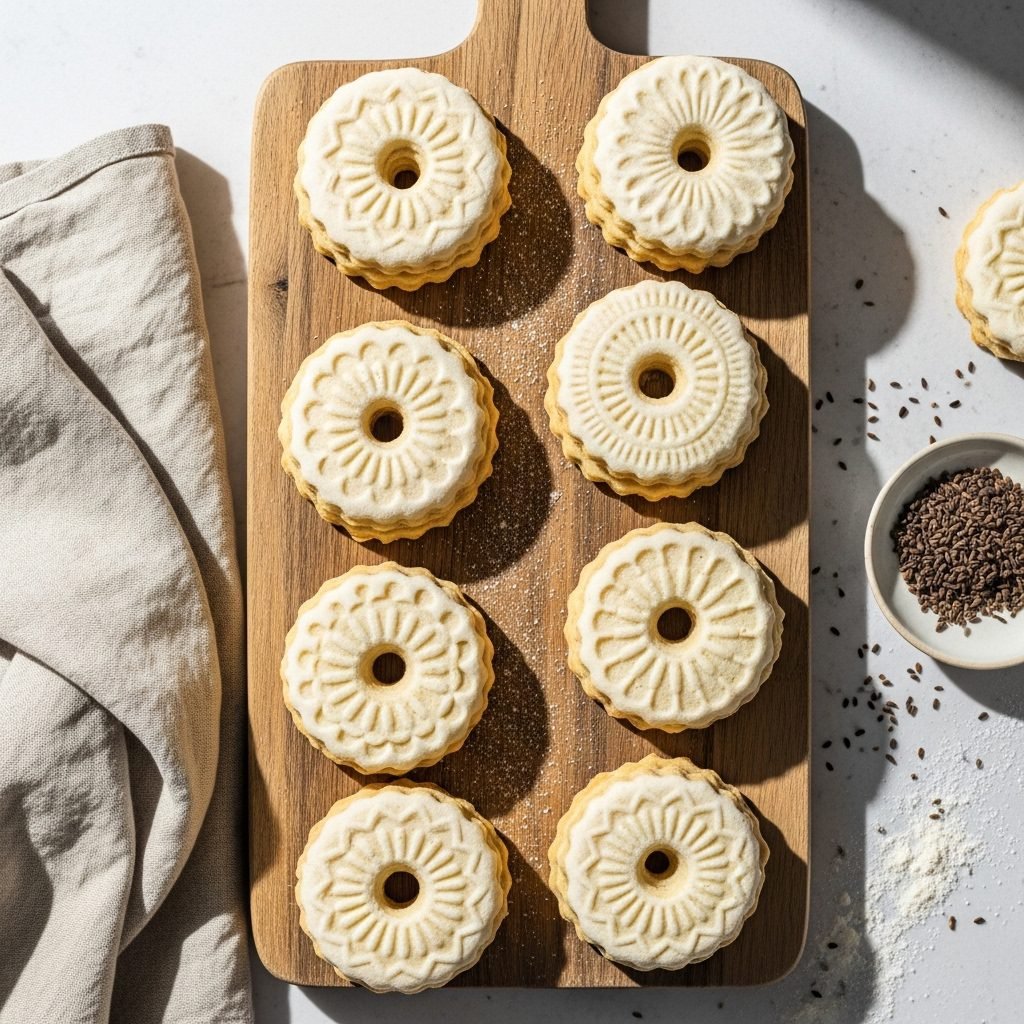
There’s something almost storybook‑like about Springerle cookies. With their pressed designs, soft vanilla‑anise aroma, and lightly crisp edges, they feel like a cookie passed down through generations. These traditional German cookies are known for their intricate images and their unique drying step that gives them that signature raised, pillowy look. If you love baking projects that feel nostalgic, artistic, and deeply comforting, Springerle might just become your new favorite holiday tradition.
Why You’ll Love This Recipe
Springerle cookies have a gentle sweetness and a soft, almost marshmallow‑like interior thanks to their whipped egg base. The flavor is subtle—vanilla with a whisper of anise—making them a lovely cookie to enjoy with tea or coffee. They’re fun to decorate using carved molds, rolling pins, or even silicone stamps. And although they look fancy, the process is calming and approachable, even for beginners.
Highlights
- Taste: Soft vanilla warmth with light anise flavor
- Texture: Pillowy inside with a lightly firm exterior
- Time: About 1 hour active time plus overnight drying
- Skill Level: Beginner‑friendly with simple steps
- Why They’re Special: Their raised, detailed designs make them look beautifully handmade
Ingredients
Dry ingredients:
- 3 1/2 cups all‑purpose flour
- 1 tsp baking powder
- 1/4 tsp salt
Wet ingredients:
- 4 large eggs
- 2 cups powdered sugar
- 1 tsp vanilla extract
- 1–2 tsp anise extract (to taste)
Optional flavor additions:
- Zest of 1 lemon
- 1 tbsp anise seeds (for placing under the cookies before baking)
Step‑by‑Step Instructions
- Beat the eggs: In a large bowl, beat the eggs on high speed for 5–6 minutes, until pale, thick, and fluffy.
- Add sugar: Gradually add the powdered sugar and continue beating for another 3–4 minutes until fully incorporated.
- Add flavoring: Mix in the vanilla extract and anise extract. If using lemon zest, add it here.
- Combine dry ingredients: In a separate bowl, whisk together the flour, baking powder, and salt.
- Form the dough: Add the dry mixture to the egg mixture a little at a time until a soft, workable dough forms. It should feel similar to sugar cookie dough.
- Rest the dough: Let the dough rest for 10–15 minutes to help it firm slightly.
- Prepare the workspace: Lightly flour your counter and rolling pin. If using traditional Springerle molds or a Springerle rolling pin, dust them with flour as well.
- Roll and press: Roll the dough to about 1/2‑inch thickness. Press your molds firmly into the dough or roll across in one smooth motion. Cut out the shapes using a knife or cookie cutter.
- Dry the cookies: Transfer the cookies to a parchment‑lined baking sheet. Let them air‑dry, uncovered, for 12–24 hours. This helps the design stay crisp during baking.
- Preheat the oven: Set your oven to 300°F.
- Bake: If using anise seeds, sprinkle a thin layer beneath each cookie. Bake for 12–18 minutes. The cookies should stay pale on top and just barely golden at the bottom.
- Cool: Allow the cookies to cool completely. Their texture will soften slightly over the next day as they rest.
Helpful Cooking Tips
- Beat the eggs long enough—they give the cookies their signature height.
- Drying the cookies is essential for defined designs.
- If the dough feels sticky, add a little more flour, but only a tablespoon at a time.
- Press molds evenly to get clean, crisp patterns.
- Store cookies for a day before serving to allow flavors to deepen.
Ingredient Substitutions & Dietary Options
- Anise extract substitute: Use almond extract, orange extract, or extra vanilla.
- Powdered sugar substitute: Not recommended; it’s key to the texture.
- Flour substitute: A 1:1 gluten‑free blend can work but may reduce detail.
- Non‑anise option: Add spices like cinnamon or use lemon zest for a brighter flavor.
Common Mistakes to Avoid
- Skipping the drying step: The designs will puff away in the oven.
- Baking too hot: Springerle should stay pale; high heat causes browning.
- Over‑flouring molds: Too much flour can blur details.
- Under‑beating the eggs: The cookies won’t rise properly.
Serving Suggestions
Enjoy Springerle with tea, coffee, espresso, or hot cocoa. They look beautiful arranged on a holiday platter next to other German cookies like Spekulatius or Lebkuchen. Their detailed shapes make them perfect for gifting in decorative tins.
Storage & Reheating Tips
- Room temperature: Keep in an airtight container for up to 2 weeks.
- Long‑term: Freeze for up to 3 months.
- To soften: Place a slice of apple or orange peel in the container for a few hours.
- To crisp: Bake at 250°F for 5–6 minutes.
Frequently Asked Questions
Do Springerle cookies get softer over time? Yes—especially when stored in a sealed tin.
Can I skip the anise? Absolutely. Vanilla‑only Springerle are delicious too.
Why did my designs fade? The dough wasn’t dry enough or the oven was too hot.
Can I use silicone cookie stamps? Yes—they work beautifully and release easily.
Final Thoughts
Springerle cookies are more than just a recipe—they’re a little piece of holiday tradition. From the gentle anise aroma to the intricate designs, every step feels meaningful and hands‑on. Whether you’re baking them for the first time or carrying on a family custom, these cookies bring a sense of warmth, patience, and artistry to holiday baking.
Short Summary
Soft, beautifully stamped vanilla‑anise cookies with a classic raised design—simple ingredients, charming results.
If you bake these, share your cookie photos on Pinterest or tag me on social media. I love seeing your creations!