Soft & Sweet Tamagoyaki: A Cozy Japanese Rolled Omelet You Can Make Anytime
A Sweet, Fluffy Breakfast You’ll Want on Repeat
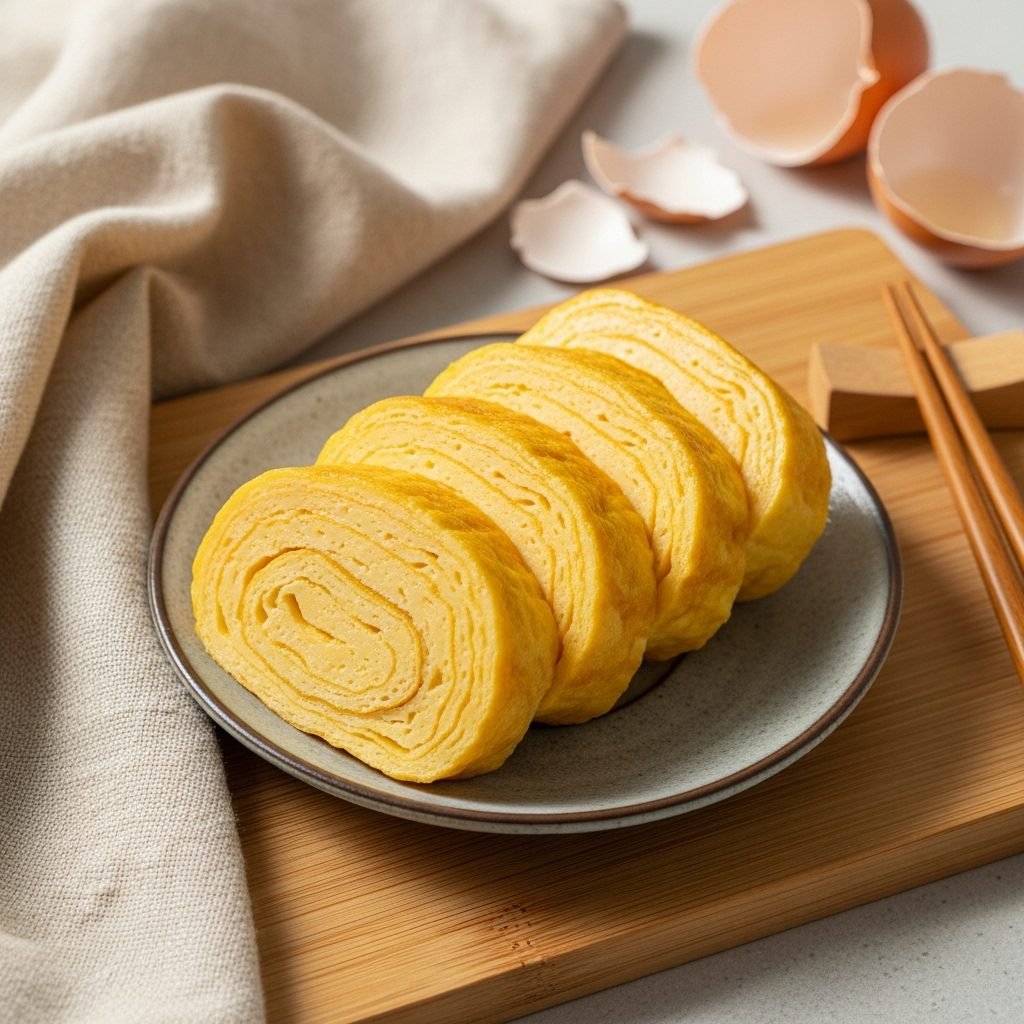
Sweet tamagoyaki is one of those comforting dishes that warms you from the inside out. If you’ve ever had it in a Japanese bento box or at a sushi bar, you already know the magic: soft layers of lightly sweetened egg, gently rolled into a golden log. The flavor is delicate—sweet but not sugary, savory but not salty—making it a perfect bite for breakfast, brunch, or even a cozy afternoon snack.
What makes this recipe especially fun is the process. Pouring, rolling, layering—it’s almost therapeutic, and the end result feels like a little edible gift you unwrap with every slice. Whether you’re new to Japanese cooking or just want to make a soft, sweet tamagoyaki at home, this guide walks you through it step-by-step.
Why This Recipe Feels Special
- Taste: Lightly sweet with a gentle umami finish.
- Texture: Pillowy, soft layers that melt in your mouth.
- Time: Around 15 minutes.
- Difficulty: Beginner-friendly with a little practice.
- Special Factor: That beautiful rolled pattern looks impressive but is surprisingly simple to create.
Ingredients
- 4 large eggs
- 3 tbsp sugar
- 1 tbsp mirin
- 1 tbsp water
- 1/8 tsp salt
- Neutral oil for cooking (about 1–2 tsp)
Optional additions: a sprinkle of sesame seeds, shredded nori, fresh berries on the side
Step-by-Step Instructions
- Make the Egg Mixture: In a bowl, whisk together the eggs, sugar, mirin, water, and salt. Mix until smooth but avoid whipping too much air into the mixture.
- Heat the Pan: Place a nonstick or tamagoyaki pan over medium-low heat. Lightly oil the surface using a paper towel.
- Pour the First Layer: Add a thin layer of the egg mixture, just enough to coat the bottom. Tilt the pan to spread it evenly.
- Roll the Egg: When the egg is mostly set but still slightly glossy, roll it from one side to the other using chopsticks or a silicone spatula.
- Oil the Pan Again: Lightly grease the pan and push the rolled egg back to the starting position.
- Add the Next Layer: Pour another thin layer of egg into the pan. Lift the roll slightly so the fresh egg flows underneath.
- Repeat the Process: Continue layering and rolling until all the egg mixture is used.
- Shape the Roll: Once done, remove the tamagoyaki from the pan and wrap it gently in plastic wrap or shape it with a sushi mat to help form clean edges.
- Slice and Serve: Cut into 1-inch pieces and enjoy warm or room temperature.
Helpful Cooking Tips
- Use low to medium heat to avoid browning the eggs.
- Oil the pan lightly but consistently—this keeps the layers from sticking.
- A square or rectangular pan is ideal, but a round skillet works too.
- If your layers tear, don’t worry—just keep rolling. It will still look beautiful.
- Strain the egg mixture before cooking for an extra-smooth finish.
Ingredient Substitutions & Dietary Options
- Sugar Alternatives: Honey or maple syrup can be used (start with 2 tbsp and adjust to taste).
- Mirin Substitute: Mix 1 tbsp water with 1/2 tsp sugar.
- Lower-Sugar Version: Reduce sugar to 1–2 tbsp.
- Dairy-Free: This recipe is naturally dairy-free.
- High-Protein Version: Add an extra egg white for more volume without changing texture.
Common Mistakes to Avoid
- Heat too high: This leads to browning or rubbery layers.
- Pouring too much egg at once: Thin layers make rolling easier and prettier.
- Skipping the oiling step: Each layer needs a lightly greased surface.
- Overmixing the eggs: Too much air creates bubbles and uneven texture.
Serving Suggestions
- Slice it into thick pieces for breakfast with fresh fruit.
- Add to a bento lunch alongside rice, veggies, or chicken.
- Serve with soy sauce or a drizzle of honey for a sweeter touch.
- Pair with hot green tea for a comforting snack.
- Add shredded nori or sesame seeds on top for extra flavor.
Storage & Reheating Tips
- Refrigerator: Store in an airtight container for up to 2 days.
- Reheating: Warm gently in a microwave for 10–15 seconds or enjoy cold.
- Freezing: Not recommended; the texture becomes spongy.
FAQ
Is sweet tamagoyaki the same as the one in sushi?
Similar! Sushi tamagoyaki is often slightly sweeter and made with a blend of eggs and dashi.
Can I add dashi to this recipe?
Yes—replace water with 1 tbsp dashi for more depth.
Can I double the recipe?
Absolutely. Just cook in batches or use a slightly larger pan.
Why did my tamagoyaki tear?
The pan may have been too hot, or the layer too thin. It still tastes great—keep going!
Final Thoughts
Sweet tamagoyaki is comforting, cheerful, and so rewarding to make. Each slice shows off those soft golden layers, and the flavor is gentle enough to pair with almost anything. Whether you’re making a cozy breakfast or adding something special to a lunchbox, this rolled omelet brings a touch of warmth to your table.
Quick Summary
A lightly sweet, layered Japanese rolled omelet with soft, fluffy texture. Great for breakfast, snacks, or bento lunches.
If you try this recipe, share your photos on Pinterest or tag me on social—I’d love to see your sweet tamagoyaki creations.